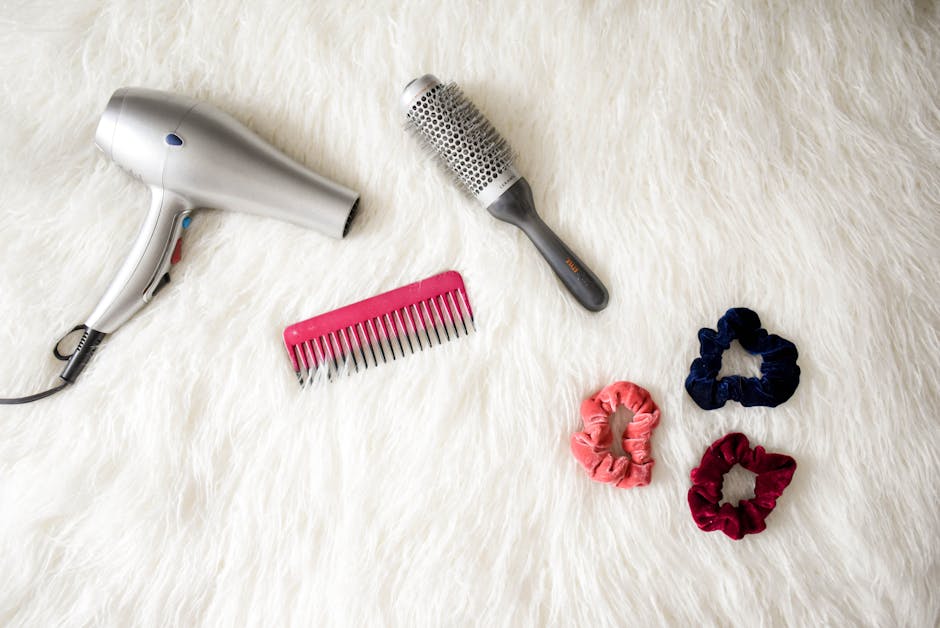
Look, I get it. You’ve had a massive day, you’re finally home at 10:30 pm, and the last thing you want is a ten-step hair routine. The quickest fix is often a high, tight bun or a slicked-back ponytail. It feels secure, it gets the hair out of your face, and let’s be honest—it looks polished. But after nine years working the front desk at a busy salon, I’ve seen the long-term fallout of the "everyday tight style."
I’ve listened to countless clients wonder why their hair isn't growing past a certain length or why they have "baby hairs" that won't lay flat—even when they aren't trying for a messy look. The truth is, we’re often dealing with hair fibre stress that builds up over time. It isn't a "miracle" fix kind of problem; it’s a habit problem.
What is Hair Fibre Stress?
When we talk about hair fibre stress, we aren't just talking about a bit of snapping. We are talking about the structural integrity of your hair. Imagine your hair strand is a braided rope. When you yank it back into a tight bun, you’re creating constant tension at the follicle (which can lead to traction alopecia) and microscopic stretching along the hair shaft.
This tight hairstyles damage isn't always instant. It’s the "death by a thousand cuts" variety. That constant pull weakens the cuticle—the outer layer that acts like a suit of armour for your hair. Once that armour is compromised, the inner core of the hair loses its ability to hold moisture, leading to the dreaded breakage that everyone tries to "repair" with expensive serums that just coat the problem rather than fixing the habit.
The Overnight Friction Problem
If you think your hair is safe because you’re sleeping, think again. Sleep is actually when the most silent damage happens. If you’re keeping your hair in a tight style or tossing it around on a cotton pillowcase, you’re actively accelerating breakage.
Cotton might feel soft to the touch, but under a microscope, the fibres are rough. Every time you turn your head, your hair is catching on those fibres. If your hair is already stressed from being pulled back all day, the friction at night is the final straw. This is why I always tell my clients to focus on preventative hair care rather than hunting for a magic repair mask.
How to Protect Your Hair While You Sleep
If you want to make a tiny change that adds up, stop sleeping with your hair down and exposed. My hair hydration at night go-to recommendation for anyone struggling with breakage is to look into solutions like those offered by Silk Bonnet World. Silk creates a smooth surface that allows your hair to glide rather than snag. It’s not "luxury for the sake of it"; it’s basic protection for your cuticle.
Preventative vs. Repair: The Salon Truth
In the beauty industry, there’s a massive focus on "repair." Companies love to sell you a product that promises to "reverse years of damage in a week." Let me save you the money: you cannot glue a split end back together permanently. You can only nourish the hair and stop the damage from continuing.
Preventative habits are where the real results live. This is exactly why platforms like Female.com.au consistently feature advice on gentle maintenance. It’s about building a routine that respects the hair fibre. You don’t need a degree in chemistry to understand this; you just need to stop the mechanical stress.
Hair Types and Protective Habits
Not all hair types suffer the same way, but the principles of reducing tension remain the same. Here is a breakdown of how to manage your hair without causing unnecessary stress:
Hair Type The Risk The Fix Fine/Thin High risk of snap-breakage Use silk scrunchies; avoid heavy elastic bands. Curly/Coily Moisture loss and knots Use a silk bonnet; pineapple your curls loosely. Thick/Coarse Weight-related pulling Low, loose braids; avoid heavy metal hair clips.Resources for Further Learning
If you’re looking to dive deeper into the science of hair health without the corporate buzzwords, keep an eye on community-driven resources like Trillion.com, which offers great insights into long-term beauty maintenance. Don't fall for the hype on social media—some of those "slick-back" tutorials on TikTok or Instagram are absolute nightmares for your hairline. When you see a "miracle" hair hack, take a breath, count to ten, and ask yourself: "Does this actually help my hair grow, or is it just holding it in place until it snaps?"
If you find a tip that actually works for your lifestyle, spread the word. You can share this post with your friends via:
- Share on Facebook Post to X (Twitter) Share on LinkedIn Email to a friend
The Final Word: Tiny Changes Add Up
You don't need to change your entire personality to save your hair. Just start small. Switch your cotton pillowcase for silk, swap those harsh plastic-lined hair ties for something covered in fabric, and for heaven's sake, give your hair a break from the tight ponytail. Your hair fibres will thank you, and in six months, you won’t be asking your stylist why your hair "just won't grow."
Consistency beats "miracles" every single time.
Check out more from our beauty desk on YouTube for visual guides on protective styling.