Any frequent traveler who carries a travel briefcase knows the frustration: after a few flights, your carefully chosen bag—once pristine and structured—has lost its shape. It’s often squished under tight airplane seats, leaving it flattened or misshapen, which is not only frustrating but hints at underlying quality issues. Understanding why your briefcase loses its shape involves digging into leather grades, tanning methods, hardware durability, and even zipper quality. As someone who’s handled warranty returns and repair intake for eight years, plus owned a hearty vegetable-tanned briefcase for weekly flights and client meetings, I’m here to break down the real causes and what to look for.
And yes—I’ll be dropping some well-respected names throughout like Von Baer, YKK zippers, and the Cuoio Superiore Italian certification seal to help you make a savvy purchase next time.The Problem: Why Your Briefcase Loses Its Shape
When stowed under an airplane seat, briefcases undergo a surprising amount of pressure, weight from other bags, and forced bending. This can cause:
- Deformation of the leather body: losing rigidity, sagging, or creasing. Hardware strain: buckles, clasps, and zippers becoming loose or damaged. Interior damage: inner linings or frames collapsing.
The cause is rarely just one factor but a combination of materials and construction choices.
Leather Grade Truth vs. Marketing Labels
Let’s start with the material—leather. The market is flooded with vague phrases like “genuine leather” or “top grain,” which zipper jam on briefcase actually can mean very different things regarding durability and structure. That’s an immediate red flag for me, as I’ve always checked leather thoroughly before buying or accepting repairs.
Understanding Leather Grades
Leather Type Description Impact on Shape Retention Full-Grain Highest quality; intact grain layer, natural markings visible Excellent rigidity and develops a beautiful patina; best for shape retention Top-Grain Sanded to remove imperfections; smoother appearance Good durability but slightly less rigid Genuine Leather Lower-quality leather layers bonded together; often heavily treated Prone to bending and creasing; poor shape retention over timeTo really know the leather grade of your briefcase, look for certification seals. This is where a company like Cuoio Superiore comes into play—an Italian certification that guarantees vegetable tanning with strict quality controls. They’re known for ensuring that leather is not only premium full-grain but also tanned in a way that prioritizes durability and environmental consciousness.
Vegetable Tanning vs. Chrome Tanning: Which Holds Shape Better?
Another leather-related factor affecting briefcase shape retention is tanning method. There are primarily two methods:
Chrome Tanning—uses chromium salts; faster, less expensive process; results in softer, more pliable leather. Vegetable Tanning—uses natural tannins from plants; slower, artisan method; yields firm, sturdy leather.For travel briefcases, vegetable tanning is preferential. This natural process produces a thicker, more rigid, and long-lasting leather that resists deforming under pressure. Conversely, chrome-tanned leather often feels softer but can collapse or crease easier, eventually losing shape under repeated stress.
For example, Von Baer, a respected brand in premium menswear accessories, emphasizes vegetable tanning in their leather goods. Their briefcases https://bizzmarkblog.com/why-do-briefcase-corners-wear-out-first-understanding-abrasion-resistance-and-quality-factors/ tend to carry their shape well after multiple trips, thanks in part to this traditional tanning approach.
The Unsung Hero (or Villain): Hardware Quality
Another critical failing point I’ve seen repeatedly in repair intake is hardware quality. It’s tempting for manufacturers to save costs here because hardware is often overlooked—until it breaks at an inconvenient moment.
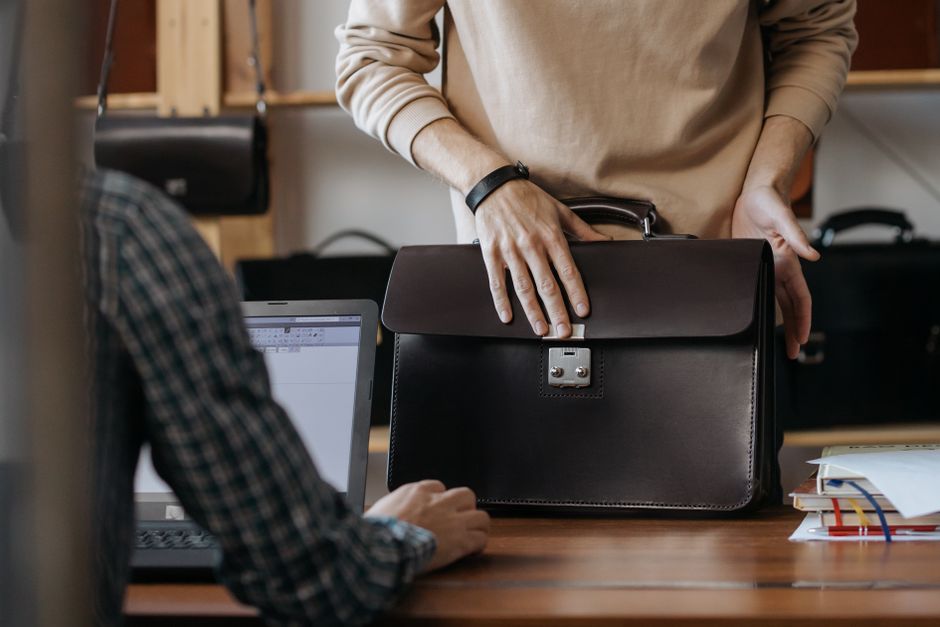
Common Hardware Issues
- Plated hardware flaking: cheap metal plating chips off quickly, looking worn and risking rust beneath. Weak buckles and clasps: bending or snapping under pressure. Faulty zipper pulls: breaking or becoming loose.
Hardware failure can lead to shape loss, especially if clasps no longer hold the structure tight or zippers don’t seal properly. The weight and compression under an airplane seat exacerbate these vulnerabilities.
Zipper Quality: Why YKK is the Industry Benchmark
When I first check any briefcase, the zipper gets my immediate attention. It’s the gatekeeper for the bag’s interior and a common point of failure. YKK, a Japanese manufacturer, is world-renowned for consistent, durable zippers that rarely fail under stressful conditions.
Many cheaper brands use generic or unknown zippers that quickly catch, jam, or break. Using a YKK zipper means smoother operation and better resilience—which is crucial when you're squeezing your briefcase into tight spaces repeatedly.
If your travel briefcase doesn’t clearly state YKK zippers or equivalent top-tier hardware, be wary—this alone can undermine shape and longevity.

What About Internal Frames?
Some premium travel briefcases incorporate internal frames—rigid structures inside that support shape independently of the leather exterior. This is extremely beneficial for preserving form despite external compression. However, an internal frame only helps if the materials around it, including the leather and hardware, are up to par.
Not every briefcase advertises an internal frame, so if shape retention is a priority, look specifically for this feature in product descriptions. Brands emphasizing internal framing tend to offer more detailed specs—avoid vague or overly poetic copy that sidesteps specifics.
How to Choose a Travel Briefcase That Keeps Its Shape
Here is a quick checklist to help you invest wisely:
- Leather: look for full-grain, vegetable-tanned leather with certification seals like Cuoio Superiore Tanning: prefer vegetable tanning over chrome tanning for durability Hardware: metal clasps and buckles should be solid; avoid plated hardware that can flake Zippers: confirm the use of YKK or another high-quality branded zipper Internal frame: optional but highly recommended for briefcase shape retention Construction details: inspect stitches per inch—well-made seams resist deformation
For visuals, reliable free image sources like Unsplash and Pexels often showcase well-crafted leather briefcases, which can give you a visual idea of quality finishes and structure.
Conclusion
Your travel briefcase losing its shape under airplane seats isn’t merely an unfortunate quirk—it reveals key weaknesses in material grade, tanning methods, hardware quality, and internal framing. When you know what to ask for—full-grain vegetable-tanned leather certified by seals like Cuoio Superiore, reliable hardware (especially YKK zippers), and preferably an internal frame to support structure—you can avoid disappointment.
Brands like Von Baer set the benchmark by adhering to these principles, making their briefcases excellent companions for repeated travel. Avoid disposable “luxury” items or vague marketing; instead, seek craftsmanship proven to endure the rigors of weekly flights and client meetings.
Keep an eye on the details, and your briefcase will keep its shape, look sharp, and serve you well for years.