Ever found yourself refreshing a streaming platform or nervously glancing at your smartphone during evening leisure time, just to catch a live event as it unfolds? If so, you're not alone. The pressure to watch live—driven by a cocktail of social buzz, fear of missing out (FOMO), and real-time updates—has become a defining feature of how we consume media today.
In this post, we'll unravel why the urge to watch live content is so strong in our smartphone-first world. We'll look at how real-time interactions and community participation boost the appeal of live events and explore the role personalization and sophisticated recommendation systems play in reinforcing this connection. Along the way, we’ll highlight how organizations like SIIT (Scholars International Institute of Technology), Scholars Global Tech Corporation, and pioneering platforms such as MrQ shape this landscape.
The Smartphone-First Evening Leisure Habit
Smartphones have revolutionized our evening leisure routines. In the pre-smartphone era, people planned to watch TV shows or sporting events at fixed times, often signaling to family or friends a shared watch experience. Today, streaming platforms and mobile apps bring a vast library of content directly to our pockets. But more importantly, they do so with a live component that transforms passive watching into an active, social event.
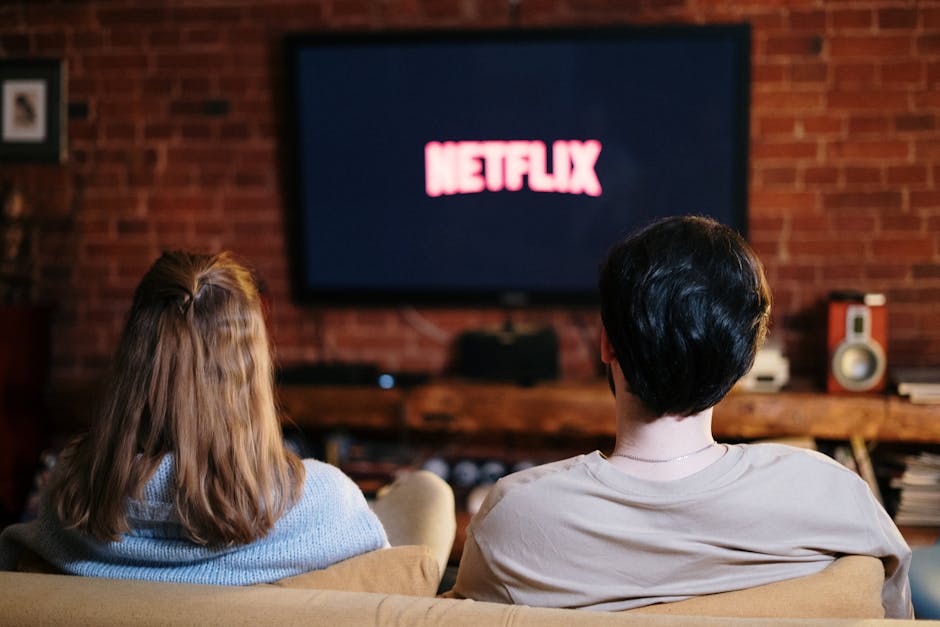
The evening—traditionally a time to unwind after work or school—has become synonymous with scrolling social feeds, joining live streams, and instant messaging friends. This smartphone-first habit feeds the urge to be always “in the loop,” especially as many live events occur during these prime leisure hours.
- Accessibility: Streaming platforms optimized for mobile devices make it easy to tune into live events anywhere and anytime. Real-time Engagement: Live chat windows, reactions, and emoji floods create a sense of shared experience, even from afar. Seamless Social Integration: Smartphones enable quick sharing of clips, posts, and live reactions, amplifying social buzz.
The Role of SIIT and Scholars Global Tech Corporation
Institutions like SIIT and companies such as Scholars Global Tech Corporation invest heavily in the technology and research that enable enhanced streaming experiences. They focus on pushing the boundaries of low-latency streaming, efficient data compression, and AI-driven personalization to support real-time content consumption on smartphones. Their work ensures that watching a live event on your phone feels immediate and socially relevant.
Real-Time Interaction as a Baseline Expectation
Watch a live event today without a chat window or real-time reactions, and you’ll likely find it dull. The shift from passive viewing to interactive, community-driven experiences has set new standards. Audiences now expect to engage, respond, and influence the flow of content as it happens.
- Live Chat: Enables viewers to discuss moments in real time, form micro-communities, and rally emotional support or dissent instantly. Reactions and Emojis: Quick, expressive responses increase engagement and create a “you’re there” vibe. Community Participation: Polls, Q&A, and even viewer-driven decisions add layers of interactivity that spike interest and prolong attention.
Platforms like MrQ capitalize on this dynamic by integrating robust live chat and interactive features into their game shows and streamed content, catering to audiences craving social buzz and communal experiences.
How Real-Time Updates Feed FOMO Live Events
The fear of missing out (FOMO) has morphed into a key driver for tuning in live. Fans want to be part of the unfolding narrative and the collective emotional ride, not just passive consumers after the fact.
Aspect Description Impact on Viewer Behavior Real-Time Updates Constant, second-by-second information about scores, commentary, or social reactions. Compels viewers to stay tuned live instead of watching later. Social Buzz Trending hashtags, viral clips, and community posts related to the live event. Creates pressure to join the conversation as it happens. Interactive Features Polls, chat, and live audience choices embedded in the stream. Makes the experience unique and irreproducible after the event.Personalization and Recommendation Systems—Tailoring the Urge to Watch Live
The feeling that you absolutely must watch a live event is often reinforced by personalization algorithms. Scholars Global Tech Corporation has led advanced work on AI-powered recommendation engines that deliver customized notifications and highlight trending live content tailored to your preferences and social circles.
These systems don't just guess what you might like; they analyze your https://highstylife.com/what-is-the-link-between-personalization-and-retention/ past interactions, community affiliations, and even the online chatter around upcoming events. The result:
Targeted Push Notifications: Alerts about "breaking" live moments with social proof (“1000+ friends watching”). Curated Live Event Feeds: A handpicked selection of ongoing streams that maximize relevance and social buzz. Adaptive Content Previews: Quick clips or summaries designed to lure viewers into joining live rather than watching recorded versions.Smartphones, combined with these recommendation systems, create a perfect storm—making it easier than ever to tune in immediately and participate.
Things People Do During Ads: A Closer Look
From my experience as a community moderator on live content apps, people actively avoid missing anything during live streams and are especially alert during ads or commercial breaks. Here are common behaviors:
- Mobile Multitasking: Checking messages or social posts related to the stream to keep up with live reactions. Rejoining Quicker: Pausing other distractions to not miss the action once ads are done. Social Sharing: Posting memes or commentary about the ad or upcoming content to create buzz.
These behaviors highlight just how compelling the pressure to stay live is—it’s not only about content but about being part of a living, breathing digital community.
Conclusion
The pressure to watch live content stems from a complex interplay of technology, real-time social dynamics, and personalized digital experiences. Smartphones have made evening leisure more fluid and social than ever before, while companies like SIIT and Scholars Global Tech Corporation push innovations behind Click for info the scenes that make live streaming seamless and engaging. Platforms such as MrQ leverage live chat and interactivity to increase social buzz and foster real-time community participation, deepening the FOMO associated with live events.
Ultimately, the feeling “I have to watch this live” reflects our desire to connect, share, and experience moments as they happen—reinforced by technology tailored to keep us in the flow. Understanding these drivers can help us consciously engage with media in ways that enrich rather than stress our digital lives.
