If you were to scroll through the notes app on my phone, you wouldn't find a profound manifesto or a grocery list. Instead, you would find a very specific, slightly depressing chronological log of what I’ve consumed and how it affected my teeth that week. Tuesday: Double espresso, post-gym. Wednesday: A particularly aggressive turmeric-based curry. Thursday: Two glasses of a full-bodied Malbec.
As a beauty editor who has spent nine years in the trenches of the industry, I have learned parlorbeauty.co one undeniable truth: we are no longer passive consumers. Gone are the days when we bought products based on a glossy, airbrushed campaign or a "miracle" promise slapped on a box. Today, we are ingredient conscious consumers, and frankly, it’s about time. We are tired of being sold mystery potions that ignore the realities of our tooth sensitivity or our actual, busy routines.
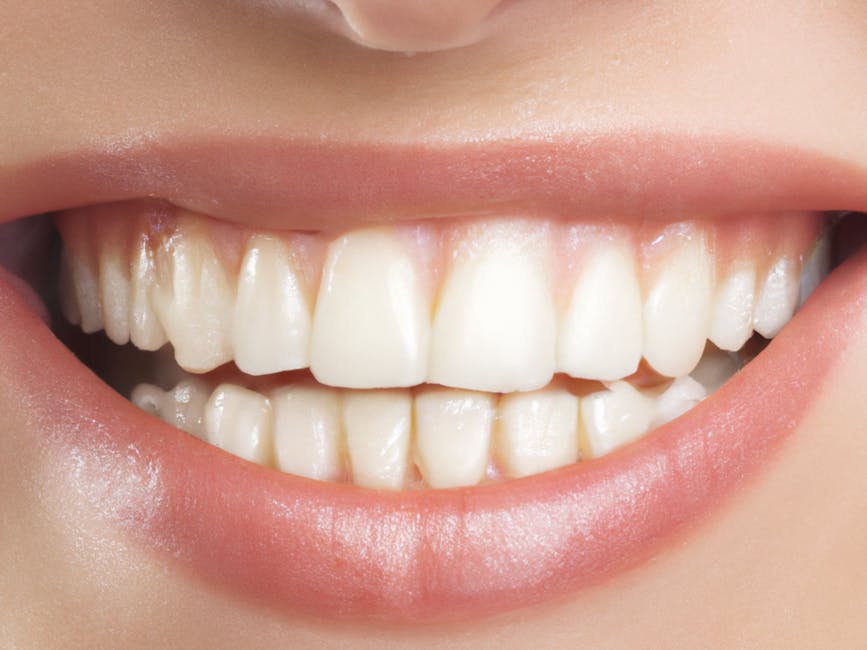
The "Zoom" Effect: Why We’re Looking Closer
It’s no secret that the last few years have changed our relationship with our own faces. Whether it’s the unforgiving high-definition lens of a Zoom call or the hyper-scrutiny of Instagram filters that make us wonder if our natural texture is somehow 'wrong,' digital visibility has shifted our self-care priorities. Exactly.. We aren't just looking at the surface anymore; we are looking at the health of the foundation.
This shift toward "smile aesthetics" as a pillar of modern self-care isn't about vanity—it’s about confidence. When you spend hours staring at your own reflection on a screen, those surface stains from my coffee and red wine notes start to feel like a glare-inducing spotlight. We want solutions that work, but we want them to be safe, transparent, and clinically backed.
Beauty Education Online: The End of "Magic"
I have a visceral reaction to brands that promise "overnight miracles." If a product says it will brighten your smile while you sleep without addressing the chemical reality of how whitening works, I’m instantly suspicious. The rise of beauty education online has democratized information. We now have access to dermatologists, cosmetic chemists, and dental professionals at our fingertips, which means we can sniff out "fluff" marketing a mile away.
When I review a product, I look for the UK Oral Health Foundation (dentalhealth.org) guidelines. They aren't interested in your aesthetic goals as much as they are interested in your long-term health. If a whitening gel doesn't mention how it interacts with sensitive enamel, it’s going in the bin. We’ve learned that a brighter smile shouldn't come at the cost of a week of shooting pains whenever you drink a glass of water.

What Actually Happens When We Whiten?
To understand the modern shopper, you have to understand what we are actually buying. Whitening gels work by breaking down complex stain molecules on the enamel surface through oxidation. However, many shoppers have been burned by vague ingredient lists that hide high levels of abrasives or pH-imbalanced formulas.
I’ve found that high-quality, reputable brands like Smile4You and the curated selections at Parlor Beauty focus on this transparency. They understand that the "whitening" process must be balanced with desensitizing agents. When we choose products with clearly defined active ingredients, we are engaging in product safety research, not just hoping for the best.
The "Mystery Price" Problem
I'll be honest with you: one of my biggest pet peeves as an editor is the "hidden price" trap. How many times have you been redirected from a social media ad, only to land on a page that promises you the world but refuses to show a price until you enter your email, your credit card, and your first-born child’s social security number?
The modern, ingredient-conscious shopper finds this offensive. If a product is worth the investment, the pricing should be as transparent as the ingredient label. When I review at-home kits, I always prioritize those that list the price clearly upfront. We are past the age of "click to reveal"—we want to weigh the efficacy against the cost immediately.
Feature Old School Beauty Shopping Modern Ingredient-Conscious Shopping Decision Driver Celebrity Endorsement Ingredient List & Clinical Backing Expectations "Overnight Miracles" Realistic, Sustained Improvement Pricing Hidden until checkout Transparent and upfront Sensitivity Ignored Factored into usage instructionsFitting Treatments Into Real Life
I don't live in a lab. I live in a house with a demanding job, a laptop that seems to be permanently open, and a habit of brushing my teeth at very specific intervals to minimize the damage of my daily coffee intake. My whitening routine has to fit into my life—not the other way around.
The best products on the market right now are designed for the "busy but informed" consumer:
The Pre-Bed Routine: Products that take 15 minutes before sleep fit my lifestyle better than multi-hour strips that make it impossible to talk or sip water. The Sensitivity Check: If I’m using a gel, I test it once. If my teeth tingle, I modify the timing. Informed consumers know that "no pain, no gain" is a lie in beauty; "no pain, *smart* gain" is the goal. Long-Term Maintenance: We are moving away from "quick fix" bleaching toward long-term maintenance habits. This is where product safety research becomes critical. We want to know that using a product for 10 minutes, three times a week, won't erode our enamel over time.Final Thoughts: Why We Stay Curious
We are skeptical because we have been lied to, but we are more powerful than ever because we are educated. When you see a company like Smile4You or the expert curation at Parlor Beauty, you aren't just seeing a product; you’re seeing a reflection of a market that finally demands more.
Let me tell you about a situation I encountered thought they could save money but ended up paying more.. If you take anything away from this, let it be this: start your own "stain log." Understand your own habits, listen to the experts at the UK Oral Health Foundation, and stop buying into vague promises. Your routine should be as functional as it is beautiful. After all, if it doesn't work around your Zoom calls, your morning coffee, and your evening glass of wine, does it really work at all?