Barrel-aged stouts are made for a slow evening: rich, warming, and best appreciated when nobody is trying to shout over a kickoff or rescue a game card from a splash. The trick is timing. Serve them too early and the strongest pours can crowd out dinner, football, and lighter beers. Serve them too late and guests may be ready to call it a night before they get to enjoy them.
For a winter game night, I like to make barrel-aged stout the evening’s feature pour—not the default drink from the moment the door opens. Start with a clear arrival plan, give the football and food their space, then bring out the stout when the room settles into the main event or shifts from watching to playing. This approach makes winter warmer timing feel intentional, keeps drinks away from the board, and gives guests a comfortable way to enjoy a smaller, slower pour.
The Short Answer: Serve It After the Busy Part
In most cases, the best time for barrel-aged stout is after guests have arrived, coats are put away, food is served, and the loudest part of the football schedule has passed. That could mean halftime, the end of the game, or the start of a longer strategy game—depending on what your group is doing.
Think of the stout as a transition drink. It can mark the moment when the party moves from arrivals and snacks to a settled game, or from football to a more relaxed postgame hangout. That is usually better than pouring it during the first round of greetings, when people are juggling coats, drinks, plates, and rules explanations.
Barrel-aged stouts can vary widely in strength, sweetness, roast, and barrel character. Check the label, offer modest pours, and make a lower-alcohol or nonalcoholic option easy to find. The point is hospitality, not persuading everyone to have the same drink.

Plan the Room Before You Plan the Pour
In a small space, a good serving schedule starts with guest flow. Decide where coats go before anyone arrives, designate a drink station, and keep the route between the entrance, food, and seating open. I assign a coat spot as soon as the first guest walks in; otherwise, jackets tend to take over the chair someone needs for the game.
Set up the stout and other drinks away from the board. A cooler can keep cans or bottles cold, but it should sit somewhere guests can reach without squeezing between players or reaching across a game. For a barrel-aged stout you want to serve a little less cold than a crisp lager, keep only the next few servings handy and leave the rest in the cooler. Follow the brewery’s serving guidance when available, and avoid leaving bottles in a warm room for the whole evening.
If you are playing at a dining table, use a board game dining table such as The Dresden from Bandpass Design as the anchor for the game zone. Clear it before guests arrive and keep food and drink on a separate surface whenever possible. If space forces the board and drinks to share a room, establish a no-drinks-over-the-board rule and put coasters at every seat. I keep a stack ready like they are game pieces: visible, close, and easy to hand out.
A Simple One-Room Layout
- Doorway: Coat spot and a clear place to set down bags. Food area: Plates, napkins, and snacks that can be eaten without touching game components. Drink station: Cooler, glasses, water, and a small spot for empty bottles or cans. Game table: Board, cards, player aids, and coasters—but no snack bowls balanced over the play area. Viewing seats: A place for guests who want to watch football or take a break from the game.
That last part matters. Not everyone will want to play every round, and nobody should have to stand in the doorway to watch. A small-space setup works best when guests can move from conversation to football to the table without crossing the serving station or disturbing a game in progress.
Use Football as the Evening’s Clock
Football gives you a natural schedule, but you do not need to make the whole night revolve around every play. Decide whether the game is the main event or background entertainment. Then say the plan out loud: when food is coming, when you expect to start the board game, and what time you expect to wrap up. A clear end time helps guests plan rides and avoids the familiar “I thought we were playing one more” stalemate.
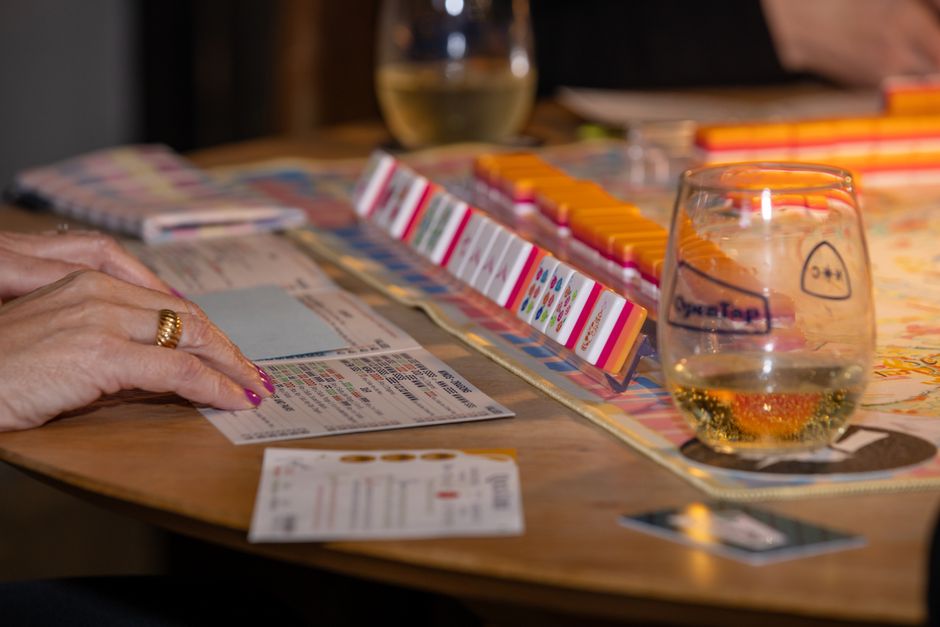
Here is one example for a Sunday evening with an early kickoff. Adjust it to the actual start time and your group’s habits:
Part of the evening What to do Drink plan Arrival and pregame Welcome guests, hang coats, explain the room setup, and put out easy snacks. Offer water, soft drinks, and lighter or lower-alcohol options. First half Let guests watch, catch up, and eat dinner without starting a game that will be interrupted. Keep the drink station open; do not make the stout the only featured choice. Halftime Clear plates, refresh water, and decide whether the group wants a quick game or more football. Offer a small stout pour to guests who want one, ideally away from the board. After the game Switch the TV off or lower the volume by agreement, then start the planned game. Serve stout as an optional feature pour, with nonalcoholic choices alongside it. Closing stretch Finish the current round and avoid starting something too long for the remaining time. Keep water available and stop serving alcohol well before the stated end time.Halftime can work if the game is short and the room is ready for it. But if guests are still eating or the football is close, don’t force a board game into the break. In that case, wait until the final whistle. Those after football drinks can make a satisfying shift into a slower, more conversational part of the evening.
Match the Stout to the Game, Not the Other Way Around
A barrel-aged stout invites people to slow down and pay attention to the drink. That makes it a better match for a settled game than for a frantic one with constant interruptions, greasy fingers, and components spread across the room. Consider the pace, length, and experience level of your guests before choosing what to play.
For a Mixed Group
Choose a game with simple turns and a short teach. A welcoming party or family-weight game lets late arrivals join without holding up everyone else, and players can step away briefly without losing the thread. Serve the stout after the rules are clear and the table is underway, rather than using the teach as a tasting session.
For Experienced Players
A longer strategy game may suit a postgame session, especially if most guests know the rules. In that case, establish the timing before you pour. A drink that encourages lingering can make a long game even longer. Say which round will be the last, and choose a title that can realistically finish before your end time.
For a Quick Football Break
Pick a compact game that can pause cleanly when the broadcast resumes. Avoid a title that requires a complicated setup or a continuous, high-attention sequence if half the group will keep watching the screen. The goal is a fun halftime activity, not a rules debate with the volume turned up.
- Short on time: Pick a game that takes about 20–30 minutes and is easy to pause. Mixed skill levels: Choose familiar mechanisms and a brief rules explanation. Committed strategy group: Schedule the game after football and choose a realistic stopping point. Guests arriving at different times: Start with a game that allows people to join or leave without disrupting play.
Keep Food and Game Components Separate
The best stout timing also depends on what is on the menu. Wings and nachos are great football food, but they are a poor match for a delicate card game. Grease, sauce, and salty residue travel from fingers to cards faster than anyone expects. Serve the messier snacks during the game or at a separate food surface, then clear and wipe down before laying out cards.
For the game portion, put out snacks that are easy to handle with clean fingers, or take a planned food break between rounds. Keep napkins within reach and make handwashing or wipes easy to find. If the stout is being served during play, pour it at the drink station before the game begins—not over the board, and not while someone is leaning across a player’s cards.
For recommendations and beer coverage, Beer Connoisseur can be a useful place to explore the wider world of beer. Still, let your guests’ preferences lead: stout is a feature option, not a test they have to pass. Have water and nonalcoholic drinks available throughout the evening.
Set House Rules Without Making Them a Lecture
A few simple expectations prevent most small-room problems. Keep the rules short, mention them when guests arrive, and apply them consistently. People are usually happy to cooperate when they know what will make the evening easier.
Coats go in the designated spot. Keep chairs and walkways available. Drinks stay on coasters and off the board. Refill at the drink station, not over active play. Food stays off the game surface. Pause for snacks if the group wants something messy. The TV plan is agreed in advance. Decide whether football is the focus, background, or finished before starting a long game. The end time is real. Announce it clearly and do not start a game that cannot reasonably finish.If the room is too tight for a separate drink surface, serve small pours and winter warmer beer ask players to set glasses down before taking their turns. For card games especially, keep wet or sticky snacks on the other side of the room. It may sound fussy, but it is much easier than sorting a deck that now smells like wings.
So, When Should You Pour?
For most game nights, bring out barrel-aged stout after dinner and after the main football viewing—not as the first drink of the evening. Halftime is an option if guests are ready and the game can pause; after the final whistle is often better if football is holding the room’s attention. If your group is playing a long strategy game, wait until the table is settled, offer a modest optional pour, and set a stopping time before the first turn.
That is the heart of good slow play beer pours: serve thoughtfully, keep the board safe, and leave room for guests to choose what suits them. With coats handled, a cooler and drink station in the right spot, food separated from cards, and one clear plan for the TV and game, a barrel-aged stout can feel like the perfect winter closer—not a hazard to the evening’s flow.