We've all been there—after a night rocking heels at a wedding, corporate event, or a special night out, your feet are crying out for relief. But the morning after heels can be tricky. That forefoot ache, metatarsal pain, calves that feel tighter than a drum, and even lower back stiffness sneak up on you. I've seen this play out countless times: was shocked by the final bill.. Choosing https://lovelolablog.com/the-post-heels-recovery-routine-nobody-talks-about/ the right shoes the next day isn’t just about comfort—it’s about preventing further pain and aiding recovery.
Let's unravel the why before the what. Understanding how heels affect your feet and body helps you make smarter choices about footwear the morning after. And if you’re wondering about tools that can help ease the discomfort, think about a trusty tennis ball and a chilled water bottle. I’ll show you how these simple items can enhance your foot recovery routine.
The Morning After Heels: Why Your Feet and Body Hurt
Forefoot Load and Metatarsal Pain
Heels, especially stilettos and pumps, shift your body weight forward onto the balls of your feet. This forefoot load can cause significant pressure on the metatarsals (the long bones between the toes and the midfoot). This sustained compression leads to discomfort, inflammation, and sometimes what feels like stabbing pain or numbness.
Imagine the moment you step out of your car and onto a hard pavement. That “car-to-door wobble” where your forefoot feels unusually sensitive—that's the metatarsal area under stress from the previous night. This makes the selection of your shoes the next day crucial to allow proper recovery.
Toe Box Compression and Nerve Irritation
The narrow toe boxes of many heel styles take a toll on your toes and surrounding nerves. When compressed for hours, nerves can become irritated or even pinched, manifesting as tingling, numbness, or sharp pains.
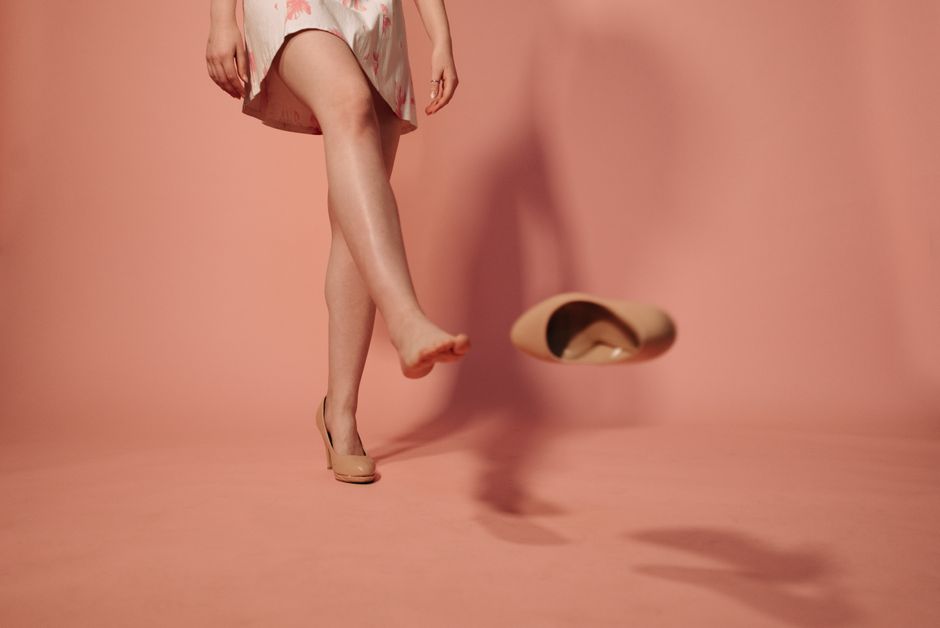
Post-heels, your toes crave space to stretch and move naturally. Wearing shoes with a tight or pointed toe box after a night in heels only prolongs this nerve discomfort.
Calf Shortening and Reduced Ankle Range of Motion
Wearing heels shortens your calves by placing your feet in a plantarflexed position (toes pointed downwards). This chronic shortening can reduce ankle dorsiflexion—the motion needed for normal walking and balance. Pretty simple.. The morning after heels, your calves often feel tight or crampy, and your ability to flex your ankle can be limited, setting you up for an awkward gait and even falls.
Posture Changes and Lower Back Stiffness
Heels alter your posture by pushing your center of gravity forward. This forces your lower back to arch more to compensate. After removing heels, the muscles and joints in your lumbar region can feel stiff or achy because they’ve been locked into a tense position.
All these factors highlight why what you slip on in the morning matters as much as the heels you chose the night before.
The Best Shoes to Wear the Morning After Heels
The rule of thumb for morning-after footwear is to provide gentle support, maintain foot alignment, and avoid worsening any existing discomfort. Here’s what to look for:
- Small Heel for Calves: 1 to 1.5 inches of heel height helps your calves relax gradually rather than going from full heel height to zero immediately. This reduces calf strain and eases the transition. Flats but Not Completely Flat: Go for shoes that have slight arch support rather than flimsy floppy flats. Completely flat shoes put excess pressure on the forefoot and can feel like walking on hard floors all day. Avoid Hard Floors: When possible, wear shoes with cushioned soles or soft footbeds. Avoid standing or walking on hard surfaces without any shock absorption. Wide Toe Box: Let your toes spread out naturally to relieve nerve compression and reduce swelling. Breathable Material: To reduce inflammation, choose shoes made of soft, breathable fabrics.
Recommended Styles
Low-Wedge Sandals: Provide arch support and a small heel, combining comfort with gentle calf stretching. Sporty Slip-Ons: With a soft, cushioned footbed and wider toe box. Chunky-Soled Loafers or Mules: Adding height subtly while offering stability and cushioning. Orthopedic-Inspired Sneakers: Designed with proper arch support and shock absorption.Tools That Help: Tennis Ball and Chilled Water Bottle
I'll be honest with you: alongside choosing the right shoes, these simple diy tools can alleviate pain:
Tool Use Benefit Tennis Ball Roll under your foot, especially focused on the forefoot and arch. Releases plantar fascia tension, reduces metatarsal pain, and improves circulation. Chilled Water Bottle Roll under the foot or calf muscles after freezing the bottle. Provides cold therapy to reduce inflammation, calm swollen tissues, and ease tight calves.Keep a tennis ball in a drawer at your desk or bedside. Whenever you notice forefoot pain, give it a 2- to 5-minute roll session. Follow up by rolling a chilled water bottle under your calves to gently counteract the muscle shortening.
Bonus Tip: The Role of CBD Cream in Post-Heel Recovery
Inflammation is a big player in your pain after wearing heels. For many, incorporating topical treatments like Joy Organics 1000mg CBD Cream can be a game-changer. This cream can be gently massaged into calves, forefeet, or lower back to help soothe aching muscles and reduce inflammation.
Why Joy Organics? Their products are known for high potency, transparency in CBD content, and consistent quality. When soreness and stiffness make you hesitant to move or roll the foot with a tennis ball, applying a CBD cream first might increase comfort and mobility.
Common Mistakes to Avoid the Morning After Heels
- Going Completely Flat: As tempting as flip-flops are, they offer no arch support and increase forefoot pressures. Ignoring Calf Tightness: Skipping calf stretches or appropriate heel height shoes can tighten calf muscles further. Wrong Sizing: Wearing shoes that are too tight or narrow after a long night in heels exacerbates nerve irritation. Standing Too Long on Hard Floors: Hard floors + unsupportive shoes = recipe for worsening pain and stiffness.
Summary: Morning-After Heel Shoe Checklist
What to Look For Why Small heel (1–1.5 inches) Eases calf shortening, gradual muscle stretching Cushioned sole Protects forefoot from hard floor impact Wide toe box Reduces nerve irritation and metatarsal compression Breathable material Prevents inflammation and swellingFinal Thoughts
The morning after heels doesn’t have to be a painful endurance test. By understanding the mechanics of forefoot load, calf shortening, and posture changes, you can strategically choose footwear that supports your recovery. Swap stilettos for cushioned footwear with a small heel to ease calf muscles, opt for a wider toe box to relieve nerve pressure, and remember to avoid standing long on hard floors.
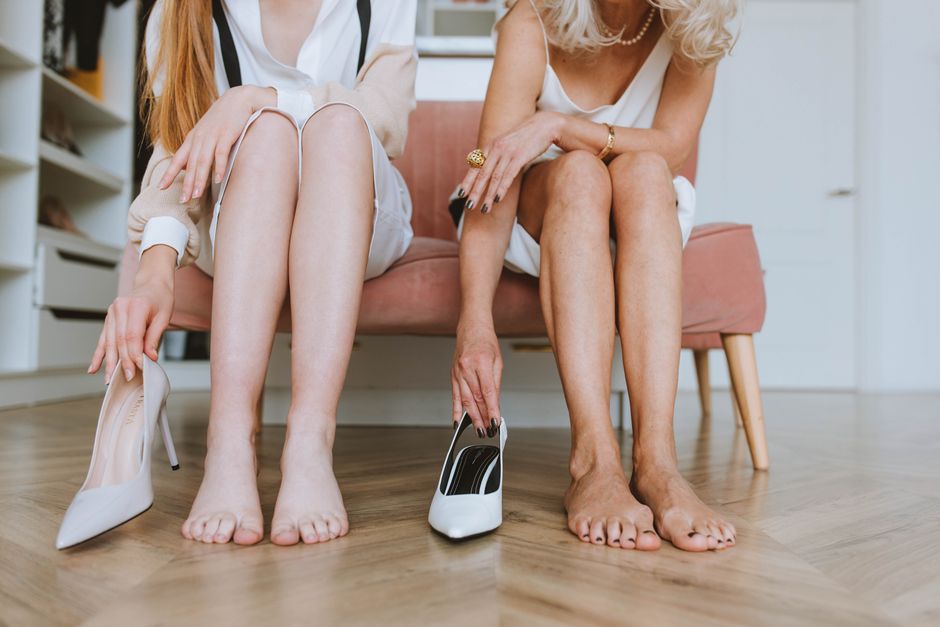
Use simple tools like a tennis ball and a chilled water bottle to massage and soothe your feet—and when extra comfort is needed, incorporate Joy Organics 1000mg CBD Cream to calm inflammation. Your feet work hard to carry you through every event—treat them with the care they deserve the very next morning.