As a Pilates instructor and studio manager with over 11 years of experience teaching mat and reformer classes, I often get asked about the subtle elements that make great exercise music truly effective. One concept that frequently comes up is the soft metronome effect. It's a quietly powerful aspect of music that supports rhythm, timing, and a steady pace in workout sessions without stealing the spotlight from the instructor or the participant's flow.
In this deep dive, we'll explore what the soft metronome effect is, why it matters in exercise settings, and how you can harness it effectively using popular platforms like Spotify and Apple Music. I'll also share practical tips on tempo selection, instrumental versus lyrical tracks, and the critical importance of volume safety for both teachers and students.
Understanding the Soft Metronome Effect
The soft metronome effect refers to a subtle, consistent rhythmic pulse embedded in music that acts much like a metronome—keeping time, encouraging steady movement, but without the intrusive tapping or beeping sounds typically associated with a physical metronome device. Instead of being a prominent feature, this steady beat does its job quietly in the background, helping practitioners maintain meditationmusiclibrary.com an even rhythm during their exercises.
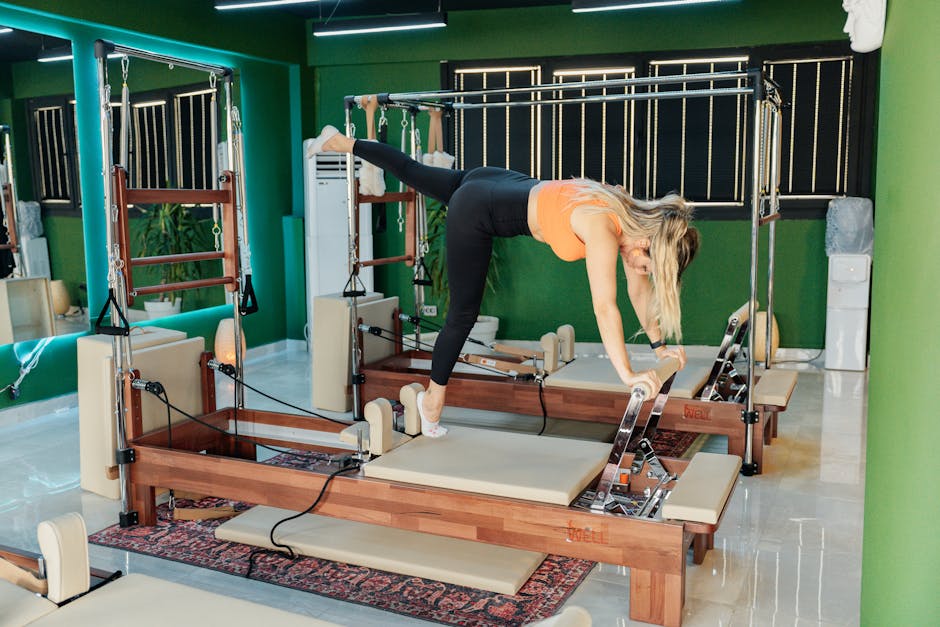
Imagine a reformer class where your footwork set flows consistently, every movement landing in sync with a gentle, underlying pulse. You’re not counting beats audibly, yet your body moves as if it knows exactly when the next repetition arrives. That’s the soft metronome effect in action.
Why Is the Soft Metronome Effect Important?
- Supporting Rhythm and Movement: Many Pilates exercises—especially those performed on the reformer—benefit from consistent timing. The pulse helps practitioners link movements smoothly, enhancing flow and efficiency. Steady Pace Support: For instructors, this effect means you don’t have to constantly shout "and, two, three..." to keep everyone aligned. The music becomes a silent cue that helps the class stay in tempo. Music and Timing Harmony: When music and movement share aligned timing, exercise sessions feel more natural and less forced. This boosts participant engagement and improves exercise technique.
Tempo Selection by Class Type (BPM)
Selecting the right tempo, or beats per minute (BPM), is crucial to maximizing the soft metronome effect. Different types of classes demand different pacing, and matching BPM to your class goals ensures rhythm supports rather than disrupts.
Class Type Recommended BPM Range Reasoning Gentle Mat Pilates 60-80 BPM Encourages slow, controlled movements that enhance focus on alignment and breath. Intermediate Reformer 90-110 BPM Supports rhythm for smooth, flowing transitions without rushing technique. Cardio or Power Pilates 120-140 BPM Keeps up energy for faster, dynamic sequences requiring endurance and coordination.In my experience, labeling playlists by BPM range instead of abstract "vibes" has been a game changer. This method avoids the frustration of sudden tempo drops and keeps your class pacing predictable and consistent.

Instrumental vs. Lyrics in Cue-Based Classes
When integrating music in cue-heavy classes like Pilates, the presence or absence of lyrics is a big factor. Here's what I’ve learned over thousands of sessions:
- Instrumental Tracks: These are the gold standard during cue-based instruction, especially for sections like footwork on the reformer. Without lyrics competing for attention, the teacher’s voice cuts through clearly, reducing the need to shout. Lyrics and Instruction Clarity: While lyrical songs can work in less cue-intensive parts of the class or during warm-ups, avoid them during detailed coaching moments. I enforce a studio-wide “no lyrics during footwork” rule to maintain clarity and reduce vocal strain.
Platforms like Spotify and Apple Music make it easy to find high-quality instrumental playlists or build your own. Just remember to use personal accounts—not business ones—to stay aligned with these services’ terms of use.
Volume Safety and Teacher Vocal Health
One aspect of exercise music I obsess over is volume control. As a former part-time audio technician for small events, I’m very aware of how speaker volume impacts vocal effort and overall class experience.
- Keep Volumes Moderated: Overly loud music forces instructors to raise their voice—sometimes to shouting levels—causing vocal fatigue and strain. Good music is the background, not the star. Test Sound Levels: My pre-class routine always includes the “can I speak normally?” test. If I can’t talk at a conversational volume over the music, it’s too loud. Sound Clarity: When music is mixed with a steady, consistent beat and appropriate volume, instructions are easier to hear and follow, improving participant safety and enjoyment.
A Sample Product for Consideration: Heart Alignment
For those looking to try curated playlists or exercise music with the soft metronome effect in mind, Heart Alignment is a fantastic resource. Priced at just $49.00 USD, it offers rhythmically consistent tracks designed for Pilates and mindful movement practices.
Product Name Price (USD) Description Heart Alignment $49.00 A collection of instrumentally rich songs emphasizing steady rhythm and pacing perfect for Pilates classes.How to Use Spotify and Apple Music to Harness the Soft Metronome Effect
Both Spotify and Apple Music allow you to create and customize playlists that fit your studio’s needs. Here are some tips based on my experience:
Create BPM-Organized Playlists: Use music tagging tools or apps to sort your favorite songs by BPM and build multiple playlists (e.g., 60-80, 90-110, 120-140 BPM). Seek Out Instrumental-Only Tracks: Use search filters and community-curated lists to find clean, lyric-free songs that support cue clarity. Avoid Sudden Drops: Arrange songs with smooth transitions and stable rhythms to preserve consistency. Sudden tempo changes can break participant focus. Mind the Platform Terms of Use: Use personal Spotify or Apple Music accounts even when playing music in your studio unless you have the necessary public performance licenses. Regularly Refresh Your Playlists: Repeating the same 20 tracks leads to participant fatigue. Introduce new songs that maintain your pacing criteria but keep the experience fresh.
Summary: Making the Most of the Soft Metronome Effect
The soft metronome effect is more than a musical phenomenon—it’s an essential tool for Pilates and exercise instructors who want to enhance timing, rhythm, and flow while safeguarding voice health and class clarity. By choosing appropriate tempos, favoring instrumental music during cue-heavy moments, controlling volume, and using tools like Spotify and Apple Music wisely, you can create immersive yet unobtrusive soundscapes that elevate your teaching and your students’ experience.
Remember: the music should gently support your movements and cues—not overpower them. With thoughtful selections and volume attention, your class soundtrack becomes the silent metronome that keeps everyone on track, moving confidently and joyfully together.
Happy teaching and happy listening!