After twelve years of traversing the winding roads between Edinburgh and Northumberland, visiting everything from converted cattle sheds to grand, draughty castles, I have learned one immutable truth: the word "exclusive" is the most abused adjective in the wedding industry. You’ll see it plastered across brochures, shouted from the rooftops of social media platforms like Facebook and X, and pinned a thousand times over on Pinterest mood boards. But what does it actually mean when you pull back the curtain?
When I walk into a venue, my first instinct isn't to look at the centerpieces or the fairy lights. I listen. I pull out my tiny tape measure—a habit that has earned me some very confused looks from venue coordinators—and I check the width of the ceremony aisle. I am looking for the reality of the space, not the projection of it. Let’s strip away the marketing fluff and get into the architecture of your wedding day.
Defining the "Exclusive Use" Concept
The exclusive use definition can vary wildly. At its most basic, it simply means you are the https://highstylife.com/the-coaching-inn-wedding-venue-what-is-the-vibe-really-like/ only couple getting married at that venue on your chosen date. However, true exclusive use goes deeper. It implies complete dominion over the grounds, the staff, and the atmosphere. In a private grounds wedding, you aren't just renting a room; you are curating an environment where your guests won't bump into a conference group in the lobby or a hotel guest in a bathrobe wandering through your cocktail hour.
Too many venues claim to be "stunning"—a word I detest because it lacks definition. Why is it stunning? Is it the Victorian plasterwork that muffles the sound of a raucous crowd? Is it the way the light hits the floorboards at 4:00 PM? If a venue can't articulate why it’s stunning beyond its visual aesthetic, run. Authenticity, architectural texture, and a sense of place are what actually make a wedding day feel grounded.

The Trap of the "Blank Canvas"
I cannot stress this enough: stop letting venues overpromise on the "blank canvas" narrative. When a venue coordinator tells you, "It's a blank canvas, you can do anything with it," what they are really saying is, "We haven't spent the money to give this room a soul."
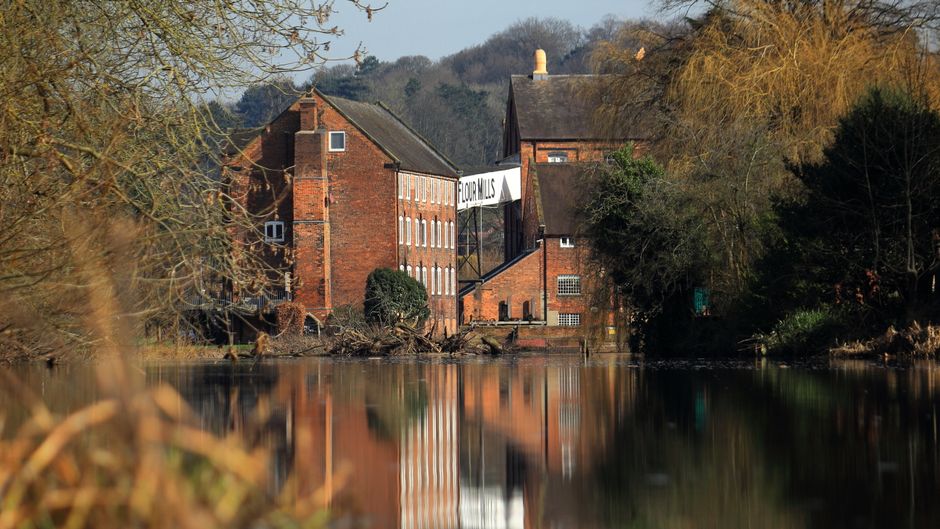
A true architectural space, like The Venue at Eskmills, doesn't need to pretend it's a blank canvas. It has history, industrial texture, and a distinct identity. It doesn't rely on decor to "fix" a bad layout. When you choose a venue with inherent character, you don't have to spend your entire budget on draping and lighting to hide unsightly walls. You embrace the stone, the beams, or the history. Pinterest is a wonderful tool for inspiration, but it often encourages a homogeneity that kills the local identity of a venue. Don’t try to force a rustic woodland aesthetic into a sleek, industrial, or historic urban space just because you saw it on a feed.
Why Shared Venue Concerns Are Real
If you aren't booking a true exclusive-use venue, you are looking at shared venue concerns. This isn't just about privacy; it’s about the "Wedding Fatigue" of the staff and the cross-contamination wedding venues with history UK of atmosphere. If you are sharing the property with a public restaurant or another corporate event, the "storytelling" aspect of your day breaks down.
Consider the acoustic footprint. I always note what a room sounds like when it fills with people. In shared spaces, high ceilings and hard surfaces often lead to a cacophony of overlapping voices from your guests and the "outside world." You want your vows to be the center of the universe, not a background track to someone else’s hotel breakfast.
Comparing Venue Models
Feature Exclusive Use Shared/Hotel Venue Privacy/Control Total control over grounds Shared public spaces Atmosphere Curated to your theme May reflect hotel branding Layout Flow is tailored to your day Often rigid/fixed Rain Plan Usually robust/dedicated Can feel like an afterthoughtThe "Photo Corner" and Rain Plan Realism
I mentally rank every venue I visit by their "photo corners" and their "rain plan realism." If a venue suggests that for the rain plan, you can just "pop into the foyer for a few portraits," they are lying to you—and to themselves. The foyer is likely where the guest check-in is happening.
A real, honest venue coordinator will show you the "Plan B" room and tell you exactly how the light works in it on a grey, rainy day. Authentic venues provide spaces that are just as beautiful on a wet Tuesday in November as they are on a bright Saturday in June. When you look at Want That Wedding or browse social media for ideas, remember that those images are curated. They don't show the reality of the logistics. My advice? When you visit a site, stand in the room you intend to use for the ceremony. Don't look at the decor. Look at the windows. Look at the flow. Ask yourself: "If it pours with rain, where do 80 people go without feeling like they are being herded?"
How to Evaluate Your Venue
To cut through the marketing noise, follow this checklist during your site visits. Do not be afraid to be the "difficult" couple who asks the granular questions. It is your money, your day, and your memories.
The Sound Test: Clap your hands. Does the room ring like a cathedral or absorb the sound like a library? A room that sounds hollow will make your speeches impossible to hear. The Aisle Width: Use your tape measure. If the aisle is less than 3-4 feet wide, your entrance will be a stressful squeeze rather than a grand moment. The "Stranger" Factor: Ask specifically: "Will there be any non-wedding guests on-site between 2:00 PM and midnight?" If the answer is yes, ask where they will be located. The Light Source: Look for natural light windows. If you are relying purely on uplighting, you are paying for an expensive "fix" for a dark, poorly designed space. The Rain Plan: Insist on seeing the rainy day space. If they don't have one, ask for a contingency plan in writing.Conclusion: Finding Your Story
Ultimately, your wedding should be a reflection of you, not a carbon copy of a Pinterest board. Whether you choose a private estate in Northumberland or a repurposed industrial site in Edinburgh, look for the architecture that tells a story. Look for the venue that doesn't need to hide its layout behind heavy drapery.
Exclusive use isn't just a marketing tag; it is the freedom to exist in a space without compromise. It is the ability to walk into a room and feel that, for these few hours, the history of the walls, the light through the windows, and the sound of the laughter belong entirely to you. When you find that—when you find a place that holds its own character and respects your need for a private, immersive experience—that is when you have found your venue.
Happy hunting, and remember: keep that tape measure handy.