In the buzzing intersection of wellness and the creator economy, brand collaborations have become the new frontier. From Instagram influencers dabbling in branded supplements to tech-savvy entrepreneurs partnering with wellness startups like Hint.app, the whole game revolves around licensing agreements, co-branded products, and transparent revenue splits. But what does a typical deal actually look like? And how do these partnerships maintain fan trust amidst the inevitable sway of parasocial marketing?
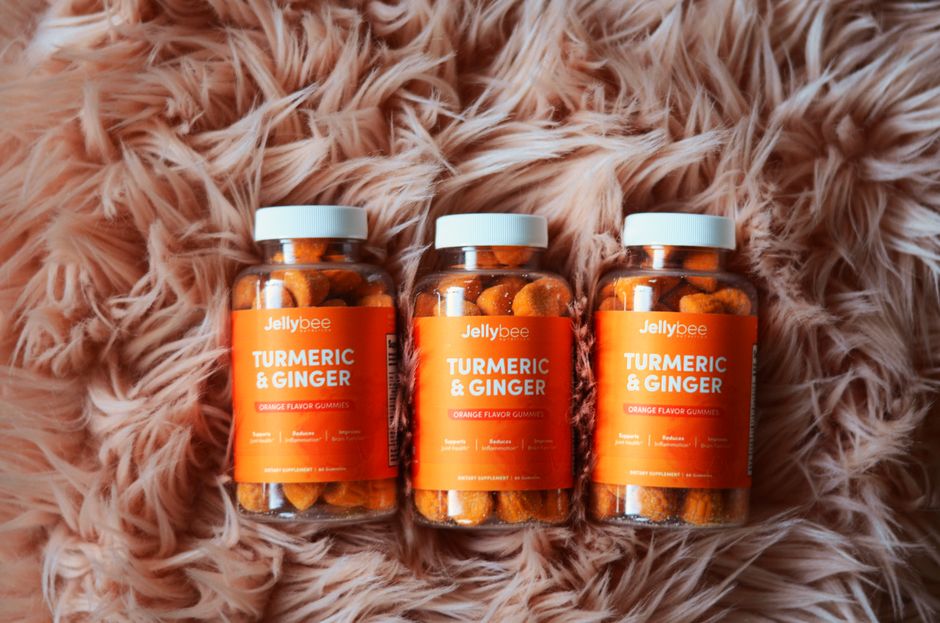
Creator Economy Meets Wellness: Where Two Worlds Collide
The creator economy, powered by platforms like Instagram, YouTube, and TikTok, has exploded in the last decade. Creators with loyal followings have transformed personal brands into businesses overnight. Wellness brands, from supplements to tech solutions like Hint.app’s hydration reminders, crave their engagement and authenticity.
But creators don’t just slap a logo on their Instagram posts anymore. They want a slice of the action—ownership, real revenue, and control. That’s where brand collaborations go beyond simple endorsements into deep, strategic partnerships.
Why Wellness?
- It's a multi-billion-dollar industry attracting consumers who prioritize health and self-care. Wellness brands often match the aspirational lifestyles creators promote, enabling authentic storytelling. Products—from CBD to meditation apps—offer multiple revenue streams and product categories ripe for innovation.
Breaking Down the Brand Collaboration Deal
At the heart of these partnerships is the licensing agreement. This contract governs how the creator's name, likeness, or intellectual property can be used on products or marketing materials.
1. Licensing Agreement
Whether it’s a bespoke supplement line or co-branded athletic wear, a licensing agreement spells out:
The use of intellectual property: Who owns the brand assets? How can the creator’s personal brand be used? Territory and duration: Where and for how long can the product be sold? Quality control: Ensuring the product fits the wellness brand’s standards and creator’s image. Revenue split: Defining exact financial terms—what percentage of sales the creator gets versus the brand.For example, Instagram-famous wellness gurus may license their name or slogan to a product developed by a brand like Hint.app. The company handles production, distribution, and compliance, while the creator focuses on marketing and community engagement.
2. Co-Branded Product Development
Creators want to ensure any wellness product feels authentic to their audience. This is where co-branded products shine, combining brand expertise with creator fanbase marketing influence.
Examples include:
- Vitamin supplements carrying the creator's name alongside the brand's logo. A meditation app featuring custom content developed by the influencer. Branded eco-friendly water bottles promoted jointly on Instagram.
Co-branding also helps clearly communicate product positioning to consumers—a critical move in wellness where skepticism runs high.
3. Revenue Split and Financial Mechanics
Money talks. Revenue splits in brand collaborations typically range from 10%-50% going to the creator, depending on their clout and involvement.
Factors influencing splits include:
- How much work the creator puts into marketing versus product creation. Who handles manufacturing, distribution, and customer service. Whether the product is sold directly (D2C), through retailers, or via subscription models.
Here's what kills me: some deals employ a royalty-based model (a percentage of net sales), while others opt for upfront payments plus bonuses based on performance. Transparency in these terms is crucial to maintain trust—both with the the creator’s audience and between brand and creator.
Fan Trust and Parasocial Marketing: Walking a Fine Line
Parasocial relationships—fans feeling connected to creators as if friends—fuel much of the power behind wellness brand deals. But this dynamic poses risks.
Vague marketing claims like “detox” or “wellness boost” without specifics can erode fan trust quickly. Audiences are savvy and skeptical, especially in wellness.

To preserve credibility:
- Creators must disclose partnerships transparently, according to FTC guidelines. Wellness brands need to provide clear, science-backed product information. Both parties should engage authentically with the community—not just sell.
Instagram remains the prime channel where this plays out. Stories, reels, and posts offer a mix of behind-the-scenes content, honest reviews, and educational tidbits that keep fans engaged and informed.
Hint.app’s Take on Collaboration
Hint.app, as a wellness tool connecting hydration tracking with daily routines, demonstrates how tech-first wellness brands collaborate with creators. By integrating influencer input into product positioning and marketing language, they build co-branded campaigns that feel less like ads and more like lifestyle endorsements.
This deep partnership approach contrasts with one-off influencer shoutouts, creating long-term sustainable revenue opportunities and deeper fan loyalty.
Common Product Categories and Positioning in Wellness Collaborations
Wellness brand collaborations span multiple product types. Some prevalent categories include:
Product Category Typical Positioning Creator Involvement Supplements (vitamins, CBD, protein) Natural, clean-label, scientifically backed Product formulation input, marketing Fitness and Apparel Functional, stylish, eco-conscious Design collaboration, social media promotion Digital Wellness Apps (meditation, hydration) Personalized, engaging, habit-forming Content creation, brand ambassador Skincare and Beauty Clean beauty, sustainable sourcing Co-branded product lines, launch eventsBrands and creators often position products within aspirational lifestyle narratives that emphasize holistic health and mindful living, resonating with educated wellness consumers.
Final Thoughts: The Real Deal Behind Wellness Collaborations
Wellness brand collaborations with creators aren’t just transactional exchanges—they’re complex partnerships that blend intellectual property, authentic storytelling, and shared financial goals.
Understanding the nuts and bolts of licensing agreements, co-branded product development, and clear revenue splits helps both creators and brands craft deals that respect audience intelligence and foster sustainable growth.
So next time you see a flashy Instagram campaign for a wellness product, remember: behind the scenes, there’s usually a detailed contract outlining who makes what, who owns which rights, and how the cash flows—because in today’s creator economy, transparency and trust are everything.
If you’re curious how leading wellness tech like Hint.app partners with creators, keep an eye on how they balance product innovation with genuine creator collaboration—it’s a model many brands could learn from.