If you have ever stood on the floor of a major international gathering like the Copenhagen Fashion Summit, you’ve likely noticed something profound: the most cohesive brands are the ones that understand the gravity of visual uniformity. When you are outfitting a team for a trade show, a festival, or a corporate exhibition, your t-shirt isn't just a garment; it is a signal of operational credibility. Nothing shatters that professional veneer faster than a team wearing "navy blue" where to buy blank t shirts shirts that look like three different shades of indigo under the harsh overhead lights of a convention center.
As someone who has spent years dissecting the intersection of culture and clothing, I’ve seen countless companies fall into the trap of assuming that a HEX code or a brand name is enough to guarantee results. It isn't. If you are struggling with color consistency across bulk reorders, it is time to stop looking at fashion as a digital exercise and start looking at it as a chemical one.
What Actually Is "Wholesale"? (And Why It Matters)
Before we dive into the logistics of dye lots, let’s clear the air. In the industry, "wholesale t-shirts" is a term often abused by retailers to sound impressive. In plain, actionable terms, buying wholesale means you are purchasing inventory in bulk, usually direct from manufacturers or specialized distributors like teesh.co.uk (Teesh), without the markups associated with high-street branding.
The mistake most people make is treating wholesale as a "one-and-done" digital purchase. They click a button, expect a result, and move on. But when you are sourcing uniforms for events and exhibitions, you aren't just buying clothes—you are investing in physical branding. Your staff is the walking billboard of your organization. If your lead architect is wearing a slightly different shade of charcoal than your sales director, you have just leaked credibility.
The Physics of the Problem: Understanding Fabric Dye Lots
The single biggest reason for color variance is the fabric dye lot. A dye lot is a designation assigned to a specific batch of fabric dyed at the same time in the same vat. Once that vat is exhausted and a new batch of dye is mixed, the color—even if it uses the exact same formula—will vary slightly due to ambient temperature, humidity, and the chemical composition of the water.
This is where "premium quality" marketing fluff fails you. You can’t just trust a company that says they are "premium." You need to ask for physical proof. If you are ordering in bulk, you need to track your dye lots like a forensic accountant.
The Comparison Table: Digital Specs vs. Physical Reality
To keep your brand consistent across multiple seasons or orders, use this breakdown to manage your expectations and your supply chain:
Variable Why it creates inconsistency How to control it Dye Lot Batching Chemical variance in different production cycles. Request inventory from the same production batch. Fabric Weight (GSM) Different knitting machines yield different textures/sheen. Standardize on a specific GSM range and manufacturer. Lighting Conditions Colors appear different under trade show LEDs vs. office fluorescent lights. Test samples in the environment where they will be worn.Why "Uniforms" are Your Strongest Credibility Signal
In the world of events and exhibitions, the visual landscape is a noisy, chaotic mess of screens, flashing lights, and competing logos. When your team walks out onto the floor, their uniform is the only anchor of trust the attendee has.

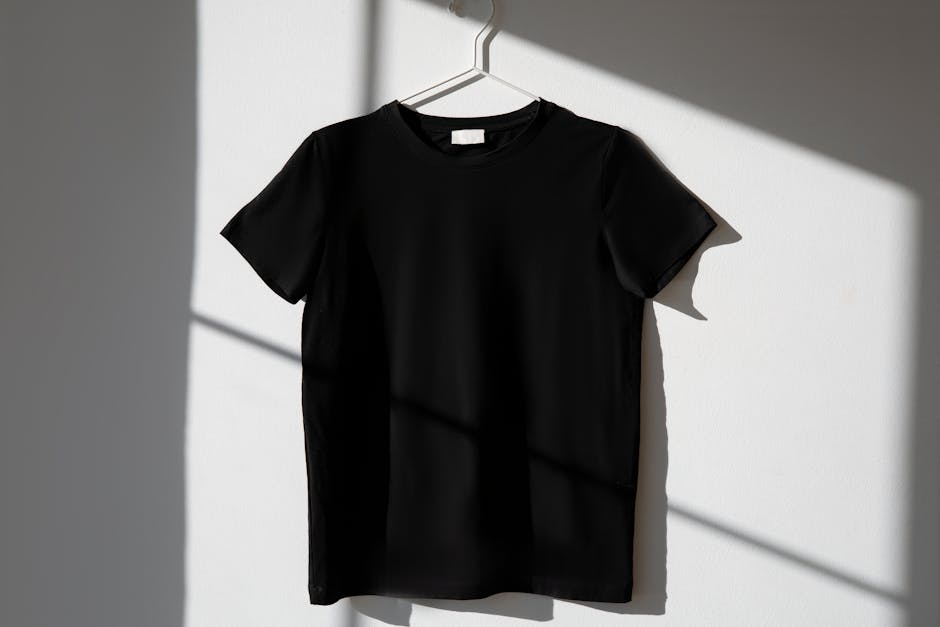
I am always asked: "Where will this be worn and by who?" The answer dictates the fabric and the maintenance. If your team is standing in an exhibition hall for three days, they need a shirt that holds its shape and color under repetitive laundering and sweat. If you reorder shirts for a second event six months later, you cannot simply assume they will match the first batch. You must engage with your supplier to reserve stock from a single dye run or perform a "color match" audit.
Strategies for Maintaining Consistency Across Bulk Reorders
If you are tired of the "vague advice" cycle, here is how you actually handle bulk reordering without losing your mind:
The "Master Sample" Archive: Never throw away a garment from your original successful order. Keep a "master" shirt from your first order in a dark, climate-controlled space. When you reorder, request that the supplier compares the new stock against your physical master rather than a digital Pantone swatch. Inquire About Inventory Turnaround: Be wary of anyone promising "instant" turnaround. If they don't have the stock on hand, they are ordering it from a third party, and you have zero control over the dye lot. Companies like teesh.co.uk (Teesh) often provide more transparency regarding their stock levels, which allows for better planning. Check the Specs, Not the Hype: I hate buzzwords like "high-quality finish." Ask for the fabric composition, the GSM (Grams per Square Meter), and whether the shirt is reactive-dyed or pigment-dyed. Reactive dyeing bonds with the fiber, leading to better color retention over multiple washes. Plan for Fade: Even with the perfect dye lot, cotton fades. If you know you are going to be using these shirts for a multi-year roadshow, order 15% more than you need upfront from a single batch. That way, you aren't trying to color-match a year later when the original dye lot is long gone.Final Thoughts: Fashion is Logistics
Whether you are attending a high-level summit like the Copenhagen Fashion Summit or a local industry expo, your visual impact is not an accident; it is the result of rigid logistical planning. Do not fall for generic advice that ignores the physical reality of how clothing is made.
When you approach your https://bizzmarkblog.com/the-art-of-team-uniforming-why-your-shirt-fit-matters-more-than-your-logo/ next bulk order, remember: color consistency isn't just about matching numbers on a screen. It is about understanding the life cycle of the fiber, the politics of the dye vat, and the specific needs of the people wearing the garment. Your uniform is your badge of authority. Treat the acquisition of that badge with the same seriousness as you treat the product or service your company provides.