Let’s be honest: you’re reading this at 11:30 PM, the house is finally quiet, and you’re probably scrolling through Instagram or TikTok, hoping to find a hack that makes tomorrow morning feel less like a battlefield. I get it. We are all carrying a mental load that feels like it could crush a mountain, and when a well-lit influencer pops up promising that their five-step morning routine or a specific $80 supplement is the key to finally feeling "present" with our kids, it’s hard not to hit "add to cart."
But after eight years of writing about the reality of parenting, I’ve learned one truth: if a wellness tip assumes you have three hours of uninterrupted "me time" every morning, it isn't advice—it’s a fantasy. Real parenting happens in the gaps between laundry cycles, tantrums, and work emails. Here is how you can cut through the noise, protect your wallet, and actually find advice that doesn't add to your stress.
The Red Flags of Wellness Influencers
The wellness industry is built on something called the "optimization trap." It suggests that if you are tired, irritable, or struggling to regulate your emotions, it’s because you aren't trying hard enough. You aren't "biohacking" correctly. You aren't "mindful" enough. Stop it. That isn't you; that’s predatory marketing.
When you see a post promising a "miracle" change, look for these specific red flags:
- The "Secret" Knowledge: If they act like they have discovered a truth that the medical community is "hiding" from you, run. Science isn't a secret; it’s a peer-reviewed process. The Supplement Push: If their solution to everything from toddler tantrums to your own fatigue is a pill or a powder, be extremely skeptical. Always compare their claims against the NHS website. If the NHS doesn't back it, it’s likely just expensive marketing. The Lack of Context: Real health advice acknowledges variables. If an influencer claims their routine works for "everyone," they are selling a script, not providing health guidance.
The Evidence Check: A Simple Framework
You don't need a medical degree to verify health claims, but you do need a system. When you see a "life-changing" claim on your feed, use this quick if-then plan:
If... Then... The influencer says "This cured my anxiety/fatigue." Check if they have a clinical qualification (e.g., GP, licensed therapist). The post links to a "secret" product. Search the product on the NHS database to see if it’s medically recommended. The advice assumes unlimited time or money. Discard it. It’s not meant for the average parent.Why "Digital Fatigue" is Your Real Enemy
Most of us aren't suffering from a lack of "wellness hacks"—we are suffering from digital fatigue. Being constantly connected to Instagram or TikTok means we are being force-fed a highlight reel of people who, let's face it, probably have more help than we do.
Instead of buying more products to "fix" your recovery, try a 10-minute phone tweak: Go into your settings and turn off "Recommendations" or set a hard time limit on apps that drain your energy. Your sleep quality will likely improve more from putting the phone down 10 minutes earlier than from any "miracle" tea or supplement an influencer is peddling.
The 10-Minute Recovery Habit
If you're looking for real recovery, skip the influencers and start with something that requires zero equipment. A 10-minute "brain dump" before bed—where you just write down what’s worrying you on a piece of paper—does more for your cortisol levels than any $50 supplement. It’s not "mindfulness" in the woo-woo sense; it’s just clearing your desk so your brain can stop running background processes while you sleep.
Professionalism vs. Performance
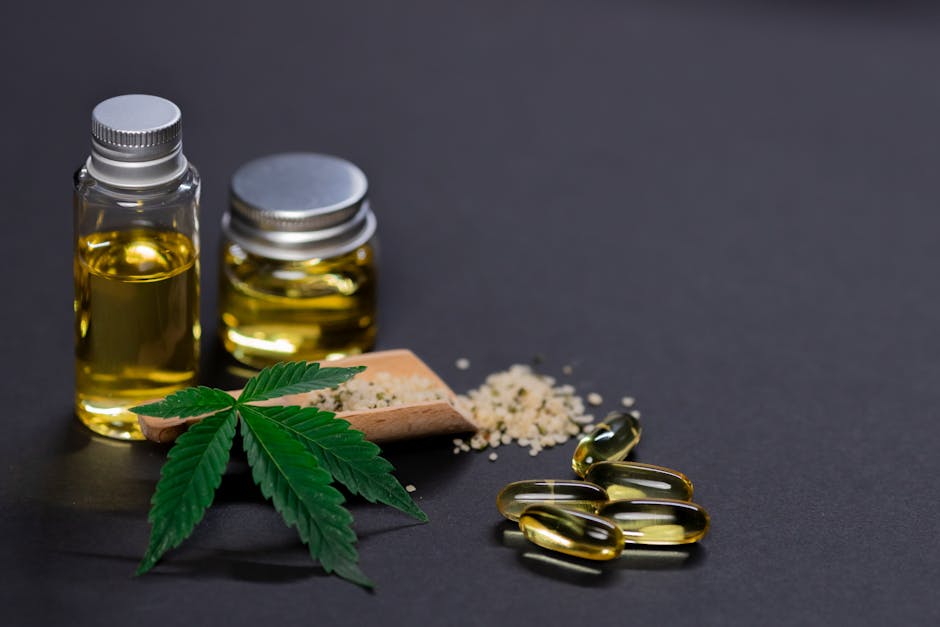
It is important to distinguish between "wellness performers" and professionals. For example, if you are looking at health interventions, look for transparency. A group like Releaf, for instance, operates as a regulated clinic within the UK's medical framework. They provide a clear, evidence-based pathway for patients. Compare that to an influencer who just says "this helped me" with a discount code attached. One is offering a medical service with accountability; the other is offering a transactional relationship where your trust is the currency.
When it comes to your family, you want tools that support development, not gimmicks. Companies like Premium Joy succeed in this space because they focus on the actual mechanics of play and child development rather than selling a "solution" to a parenting problem that doesn't exist. They provide high-quality items meant to be used, not just featured in a viral video. Look for brands that focus on utility and durability rather than "lifestyle aesthetics."
How to Manage Emotional Regulation (Without the Guilt)
Influencers love to tell us to "just be mindful" when our kids are melting down. If you’ve viral parenting hacks and burnout ever tried to be "mindful" while a toddler is screaming in the cereal aisle, you know how unhelpful that is. Emotional regulation isn't something you can just "manifest." It’s a physiological response to stress.
When you feel your patience slipping, try this 10-minute reset instead:
Step away: If the child is safe, give yourself two minutes in another room. Hydrate: Drink a full glass of cold water. It sounds simple, but it interrupts the "fight or flight" loop. Lower the bar: Ask yourself, "What is the bare minimum I need to do right now to keep everyone fed and safe?" Everything else can wait.You don't need a fancy meditation app or a expensive subscription service to learn how to keep your holistic wellness for UK families cool. You just need to recognize when your nervous system is overtaxed and take a biological break.
A Final Reality Check
I know the pressure to get it "right" is immense. But the healthiest thing you can do for your family is to stop looking for answers in the hands of people who are paid to keep you scrolling. Trust your gut. If a piece of advice makes you feel inadequate, guilty, or like you need to buy something you didn't know you needed five minutes ago, mute the account. You are already doing the work. You don't need a "wellness guru" to tell you how to be a parent.
Your "Trust Checklist" Before You Click Follow:
- Does this account share medical claims? If yes, where are the links to actual, unbiased studies (NHS, Lancet, etc.)? Is the advice prescriptive? Does it say "You MUST do this" or "This worked for me"? Is the creator trying to sell you something? If 90% of their content is about "their" products, they aren't an expert—they are a salesperson. Does it trigger "I’m not doing enough" feelings? Unfollow immediately. Your peace of mind is worth more than their engagement numbers.
Remember: You are the expert on your own family. When in doubt, lean on your local pediatrician or your GP—not the person with the best ring light on TikTok. Keep your routine simple, prioritize your sleep (even if it’s just 10 extra minutes of silence), and remember that you are doing enough.