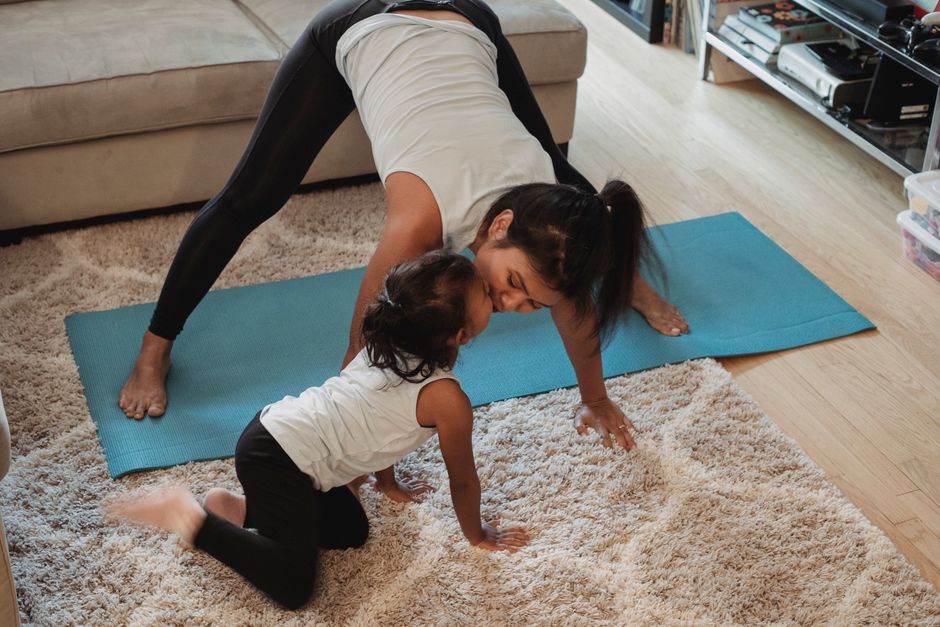
If I hear one more person tell me to "just be mindful" while I’m standing in a grocery store line with a toddler screaming about a granola bar, I might actually lose my mind. Let’s be real: parenting in the modern era feels less like nurturing and more like crisis management. We are carrying the mental load of everything—school schedules, meal planning, career demands, and that weird, nagging feeling that we should be doing "more" with our kids.
Most of us treat downtime like a luxury item. We think it requires a two-hour block of silence, a bubble bath, or a weekend getaway. But here is the truth after eight years of observing this cycle: if you wait for a large block of free time to appear, you will be waiting until your children are in college.
Downtime isn't about clearing your calendar. It’s about building micro recovery into the cracks of your day. It’s about stealing 10 minutes here and there to stop your nervous system from redlining.
The Trap of "Digital Downtime"
We often think that sitting on the couch scrolling through TikTok or Instagram counts as downtime. It doesn’t. That isn't recovery; that is sensory input. Your brain is still processing information—rage-inducing news, highlight reels of other parents’ pristine living rooms, and endless algorithm-fed videos. When you hit the "close" button, you’re usually more depleted than when you started.
Constant connectivity is the enemy of emotional regulation. When you are tethered to notifications, your brain is stuck in a "low-level threat" mode. You aren't resting; you’re just waiting for the next pings. True stress breaks need to involve an exit from the digital noise.
The 10-Minute Rule: Radical Micro Recovery
I've seen this play out countless times: wished they had known this beforehand.. I am a firm believer that any habit worth having can be condensed into a 10-minute version. If you can’t fit 10 minutes of recovery into your day, your boundaries are non-existent, and we need to fix that immediately. Here are three ways to reclaim your sanity in 10 minutes or less:
1. The "Sensory Reset"
If you feel the frustration bubbling up when the kids are bickering, don't try to "meditate." Just change your sensory input for 10 minutes. Go into a dark room, take off your shoes, and put on a pair of noise-canceling headphones with nothing playing. The lack of auditory chaos is often enough to lower your heart rate. If you are struggling with chronic stress or pain, it is worth looking into resources like the NHS guidance on sleep hygiene and stress, or exploring specialized care through clinics like Releaf, which supports patients in managing long-term conditions that make day-to-day parenting feel like an uphill battle.
2. The "Physical Tidy-Up" (But Only for You)
Sometimes, the mental load is just a visual manifestation of clutter. Pick one small surface—the bedside table or your desk. Spend exactly 10 minutes clearing it off and wiping it down. Don't worry about the rest of the house. You aren't cleaning for "company"; you are creating one clear, calm visual anchor in your home. It’s amazing how much emotional regulation improves when your immediate line of sight isn't chaotic.
3. The "Hands-Free Play"
We often feel like we have to be "on" whenever we are with our kids. If you have 10 minutes, use products that allow for child-led play without requiring your constant input. I’ve often used tools from companies like Premium Joy for this. Their focus on engaging, open-ended toys allows me to sit in the same room and "watch" (or just breathe) while the kids are occupied, without me having to perform the role of playmate. It’s guilt-free downtime that keeps them happy.
Your Phone is an Accomplice, Not a Tool
I’m not going to tell you to go buy an expensive meditation app or a premiumjoy fancy sleep tracker. Honestly, the best way to handle digital fatigue is to change how your phone behaves. If your phone is constantly demanding your attention, it’s not a tool; it’s an intruder.
- Turn off "Badge" Notifications: Those little red numbers on apps are psychological triggers designed to make you feel like you've "missed" something. Turn them off for everything except your core communication apps. Use "Grayscale" Mode: Go into your phone’s accessibility settings and toggle on Grayscale. When your phone looks like a 1950s newspaper, it is significantly less addictive. You won't feel that Pavlovian pull to check Instagram as often. Schedule "Do Not Disturb": Set it to trigger automatically during the hours you know you’re the most stressed (usually the 5:00 PM to 7:00 PM chaos window).
A Quick Reference Table for Your Day
When you’re stretched thin, you don't need a lecture; you need a plan. Use this table to integrate micro-recovery into your routine.
Trigger If-Then Plan Feeling "over-touched" or irritable If I feel the urge to snap at the kids, then I will step away for 10 minutes of silence in the bathroom with the lights off. Mindless scrolling during naptime If I reach for my phone to scroll, then I will use 10 minutes to stretch or drink a glass of water first. Mental overwhelm at 4:00 PM If the mental load feels heavy, then I will pick one task to offload or ignore for the next 10 minutes and sit in a chair with my eyes closed. Difficulty falling asleep If my brain is racing at night, then I will follow a 10-minute wind-down routine (no screens) as recommended by NHS sleep hygiene standards.Why "Micro Recovery" Matters for Sleep
We’ve been told that sleep quality is entirely dependent on what we do right before bed. While that’s part of it, the real culprit behind bad sleep is the accumulation of stress throughout the day. If you spend 16 hours in "fight or flight," you cannot expect your body to magically switch into "rest and digest" just because you put your head on a pillow at 10:00 PM.
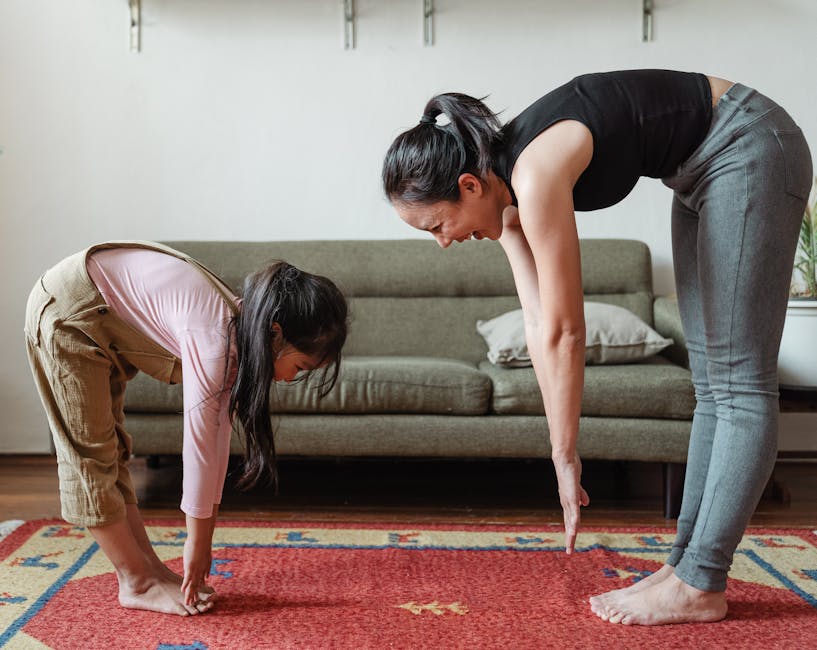
These 10-minute stress breaks act as "release valves." By letting a little steam out of the pressure cooker throughout the day, you aren't going to bed with a heart rate that’s still revving. Your recovery routine starts at 8:00 AM, not 9:00 PM.
Final Thoughts: Stop Seeking Perfection
I know this sounds like "one more thing to do" on your to-do list. Please, don't treat it that way. If you miss a day, or if you can only manage 5 minutes, that is fine. This isn't about optimizing your life; it’s about surviving it with your humanity intact.
The parenting advice industry loves to sell us supplements, retreats, and "miracle" habits that assume we have unlimited time and a personal assistant. We don't. We have the reality of our current day. Start small. Close the TikTok app, turn your screen to grayscale, and take 10 minutes to just exist without being needed. You deserve that much, even if the laundry is still in the dryer.
Disclaimer: This post is for informational purposes only and does not constitute medical advice. If you are struggling with chronic stress, mental health, or sleep issues, please consult with your GP or an appropriate medical professional, such as those at the NHS, to discuss your specific needs.