After twelve years of traversing the winding roads between Edinburgh and Northumberland, checking the acoustics of vaulted ceilings with my own ears, and pulling out my tiny tape measure to sanity-check aisle widths in historic manor houses, I have developed a very specific internal alarm. It triggers the moment I hear a venue coordinator talk about a "blank canvas." Let’s be honest: in a heritage building, there is no such thing as a blank canvas. If you’re trying to turn a centuries-old stone barn into a sterile, modern white-box wedding, you aren’t just fighting the venue; you’re fighting the architecture.
The real challenge for the modern couple isn’t how to decorate a space; it’s how to exist *within* it without turning the day into a themed production. Too often, I walk into a magnificent, texture-rich space only to see it suffocated by "rustic chic" cliches—jars of twine, excessive burlap, and fairy lights draped with https://wantthatwedding.co.uk/2026/04/16/why-converted-heritage-venues-make-unforgettable-wedding-settings/ such desperation they look like they’re trying to hide the walls. Let’s talk about how to achieve modern styling in heritage spaces by leaning into the history rather than masking it.
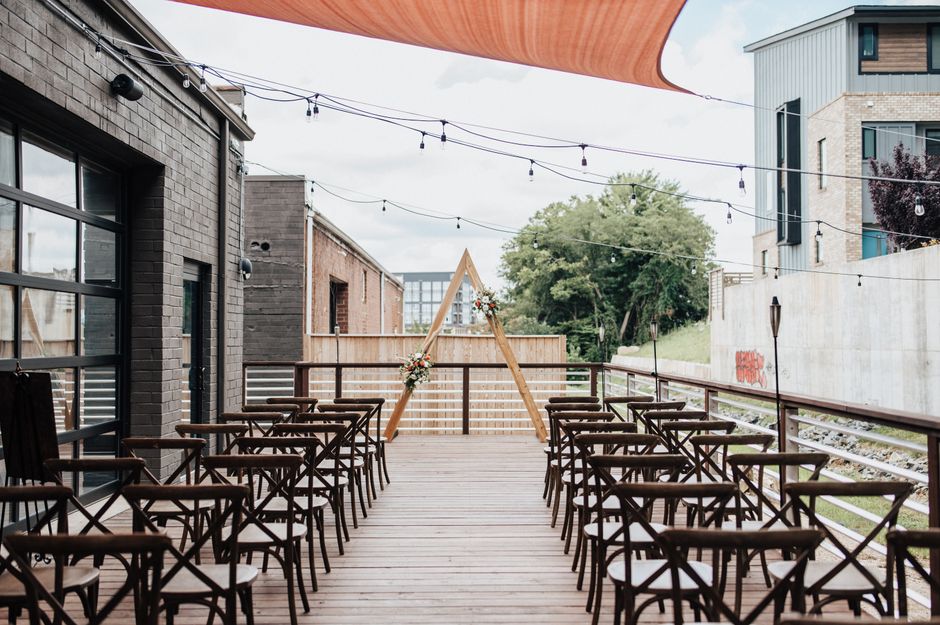
The Pinterest Problem: Reality vs. The Algorithm
We have all spent hours scrolling through Pinterest. It is a dangerous tool when you are planning a wedding in a historic venue. You see a perfectly curated image of a table setting in a Tuscan vineyard, and you decide that *that* is the aesthetic you want for your 18th-century Scottish castle. The disconnect here is physical. Pinterest doesn't care about the humidity in a stone room, the limited natural light in a north-facing window, or the fact that your venue’s floorboards creak too loudly to allow for that specific style of heavy, floor-dragging decor.
Last month, I was working with a client who made a mistake that cost them thousands.. To avoid the "themed" trap, stop looking at Pinterest for "wedding aesthetics" and start looking for "interior design and historical preservation." When you look at sites like Want That Wedding (wantthatwedding.co.uk), focus on the real weddings that highlight the architecture of the venue—not just the bouquets. Authentic heritage weddings are defined by a sense of place. If you are getting married in a location with deep industrial roots or medieval masonry, embrace that. Don't hide the character; frame it.
Understanding Architectural Texture
When I visit a venue, the first thing I do is stand in the middle of the room and clap. It’s an involuntary reaction. If a room sounds like a hollow echo chamber, I know that your guests are going to struggle to hear the speeches, and your playlist is going to bleed into an incoherent wall of sound. This is where "decor" often fails. People try to fix acoustic issues with drapes, but in a heritage space, those drapes often look like an afterthought.
Instead of over-decorating, look at the architectural texture of the room:
- Windows: Are they sash, leaded, or floor-to-ceiling industrial steel? These are your primary lighting features. Use the natural light to dictate your color palette. Masonry/Timber: If the walls are rough-hewn stone or the ceiling is exposed oak, don't try to soften them with "romantic" pastels. Use deep, bold, or metallic tones that complement the grit of the building. Flooring: If the floors are uneven, don’t try to carpet over them. Use lighting to draw the eye *upwards* toward the ceiling details rather than focusing on the floor.
A Case Study: The Venue at Eskmills
I am often asked about venues that get the balance right. The Venue at Eskmills (eskmillsvenue.com) is an excellent example of how to manage historical texture without falling into the "rustic" trap. Because it sits in an industrial heritage context, it avoids the "pretty-pretty" cliche of many manor houses. The beauty of a venue like this is that it doesn't need to be "fixed." It has a defined identity. When you work *with* that identity—using structural lighting rather than excessive floral installations—you create a sophisticated atmosphere that feels grounded in local identity rather than pulled from a generic trend board.
Balancing Decor: A Quick Reference Table
The "Themed" Trap The Authentic Approach Covering stone walls with tulle/fabric. Using directional uplighting to highlight the stone’s color. Using generic "rustic" wood signage everywhere. Utilizing the building's original signage or subtle, modern typography. "Blank Canvas" mentality. Treating the venue as a co-author of the wedding design. Forcing outdoor-style decor indoors. Using interior-appropriate floral arrangements (architectural, not "meadow-in-a-box").The "Rain Plan" Reality Check
One of my biggest pet peeves is the "rain plan" that looks like a tragic afterthought. Many couples choose a heritage venue for its grounds—the rolling hills, the ancient trees, the landscaped gardens. But we are in the UK; it will likely rain. If your decor is entirely dependent on the garden landscape, your indoor ceremony space will feel like a "consolation prize.". Pretty simple.
To avoid a themed, disappointment-filled backup plan, ensure that your styling strategy works *equally well* in the primary indoor space as it does outside. If you are decorating with wildflowers in the garden, do not bring those same wildflower jars inside, where they will look tiny and lost against grand architecture. Use architectural plants, tall branches, or bold vessels that hold their own against the building’s history.
Modern Styling in Heritage Spaces
How do we achieve "modern styling heritage" without it feeling like a collision? The secret is in the contrast. If the venue is old and heavy (lots of wood and stone), bring in modern, clean-lined furniture. If the venue is ornate and Victorian, keep your floral palette monochromatic or high-contrast. The mistake is trying to be "matchy-matchy" with the history.
When I use my tape measure to check the aisle width, I’m not just looking for fire safety; I’m looking for visual flow. A heritage venue often has narrow, intimate corridors. If you clutter those paths with "photo-friendly" vignettes, you ruin the natural movement of the guests. A heritage venue should feel like a discovery. Let the venue tell its own story; your decor should just be the punctuation.
Sharing Your Vision: Digital Authenticity
You ever wonder why finally, consider how your wedding will look on social media. We live in an era of social sharing via Facebook, X, and Pinterest. When you post your photos, you want the venue to be a star, not a backdrop for your "theme." If you’ve done the work to keep the space authentic, your photos will naturally feel timeless. You won't look back in ten years and wonder, "Why did I insist on that specific shade of mason jar twine?"
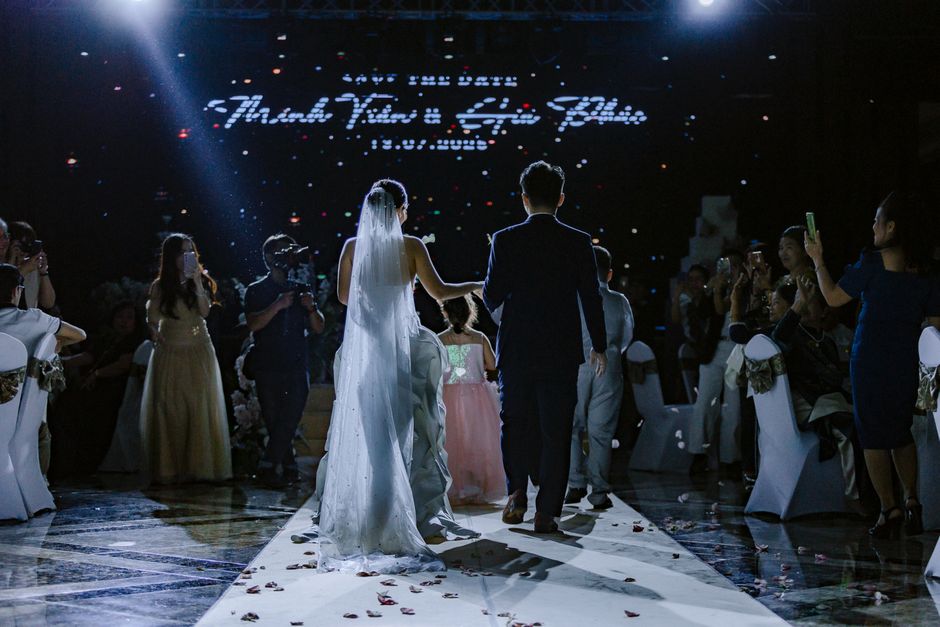
When you curate your digital gallery, credit the venue architecture as much as you credit your photographer. By emphasizing the "sense of place" in your social updates, you signal to your guests that this wedding isn't about an aesthetic trend—it’s about the marriage of your story with the history of the space you’ve chosen.
Final Thoughts for the Planning Phase
Visit at different times: The light changes the mood of a heritage building entirely. Listen: If the room has an echo, talk to your DJ or venue coordinator about acoustic solutions early. Measure: Never assume a "standard" layout will fit your guest count while maintaining the flow of a historic floor plan. Edit, don't add: For every piece of decor you bring into a historic room, take two away. The building already provides the atmosphere.Planning a wedding in a heritage venue is a privilege. You are essentially inviting your guests to spend a day inside a piece of history. Don't drown that history in trends. Respect the architecture, embrace the acoustics, and remember: if the room is truly great, it doesn't need to be dressed up. It just needs you, your guests, and a little bit of thoughtful light.
Planning your own venue hunt? Check out the archives on Want That Wedding for inspiration that values the character of the space over the saturation of the filter. And remember—if a venue feels too "blank canvas," keep walking. You want a partner in your venue, not a wall to hide.