In my seven years working across retail buying and editorial styling, I have seen thousands of professionals arrive at their destination looking like they wrestled an alligator—all because their briefcase lost the battle with the under-seat space on a Boeing 737. As someone who logs over 60 airport segments annually, I’ve learned that the "perfect" bag isn't just an accessory; it’s a logistical tool. If it slumps, it’s useless. If it screams a brand name, it’s tacky. If it doesn't hold a 15.6-inch laptop without bulging, it’s a design failure.
The quest for the ideal under seat briefcase is a study in physics and aesthetics. How do we balance a structured profile with enough capacity for our digital lives? Let’s break down the mechanics of the only bag you’ll ever need.
The Structural Integrity Test: Why Your Bag "Slumps"
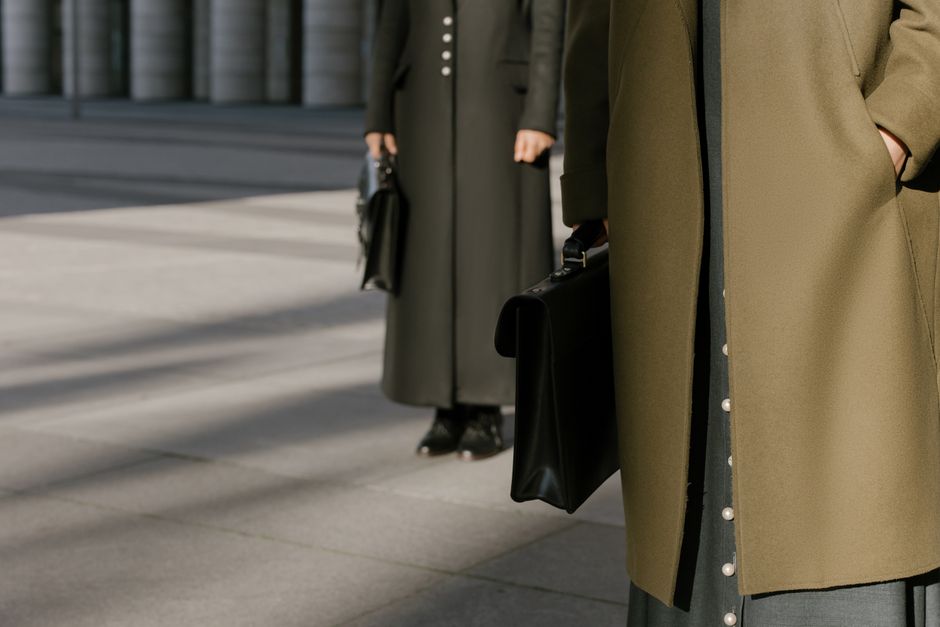
The most irritating trait in a briefcase is the "empty-slump." You know the one: you set it down in a meeting or on the floor of a terminal, and it immediately collapses into a heap of sad, creased leather. A proper briefcase should stand tall, whether it’s housing a laptop, a notebook, or nothing at all.
My personal litmus test is what I call the "A4 Sheet Test." I carry a crisp piece of A4 paper in my own bag. If I place it inside the main compartment and the bag doesn't hold the paper perfectly flat without bending or allowing the structure to sag, it is fundamentally flawed. When you’re boarding, you need a bag that maintains its architecture. A bag that stays upright protects your tech and keeps your professional silhouette intact.
The Hardware Chronicles: Why Zippers Matter More Than You Think
Before I look at the color of a bag or the finish of the hide, I look at the hardware. It is a reflex. I flip the bag over and look at the brand etched into the zipper slider. If I don’t see YKK or another top-tier manufacturer (like RiRi or Lampo), I immediately walk away. Cheap, stamped-metal zippers are the single biggest point of failure in any bag under £200.
I also have a visceral reaction to branded zipper pulls. Why do brands feel the need to plaster their logo on a slider that you touch ten times a day? In the world of quiet luxury, the hardware should be substantial, muted, and devoid of billboard-style branding. A heavy-duty brass zipper, silent and smooth, is the hallmark of a product that actually respects its user. When a manufacturer skimps on the zipper, they are almost certainly skimping on the internal frame as well.
The "Genuine Leather" Trap
If you see the term "genuine leather" on a product description, run. It is a marketing term, not a quality descriptor. In the tannery trade, "genuine leather" often refers to the lowest grade—essentially the leftover split of the hide, heavily corrected and coated with a polyurethane finish to look like something it isn't. It doesn't age; it just peels.
For a bag that holds a 15.6 inch laptop fit, you need full-grain or top-grain leather that has been vegetable-tanned. Vegetable tanning is the gold standard for structural longevity because it allows the fibers to remain dense and rigid. It develops a patina that tells the story of your travels rather than showing the scars of a low-quality coating failing.
The Economics of the 18-Month Failure
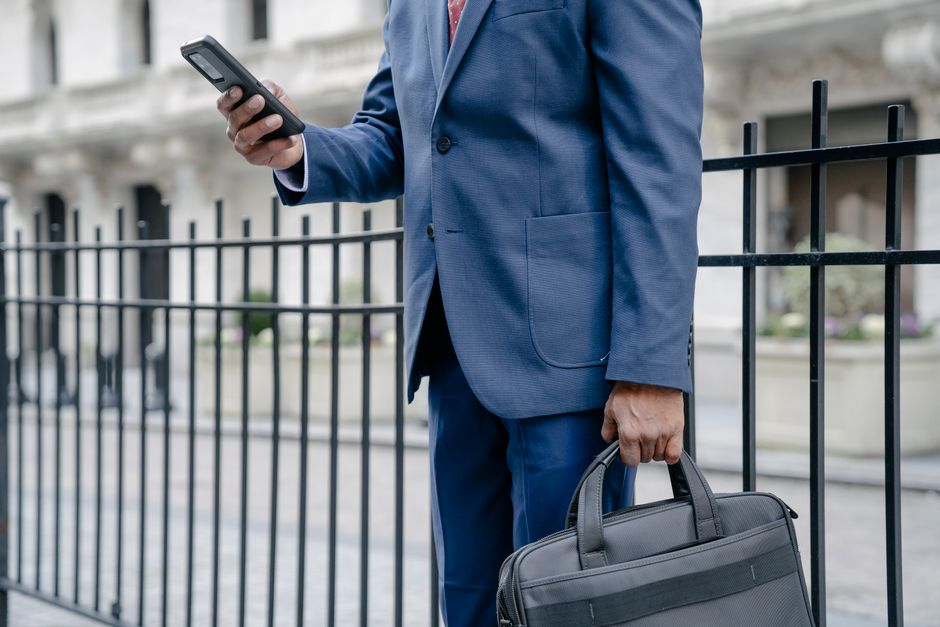
I often advise my clients that if they are buying a work bag priced under £200, they aren't buying a bag; they are buying an 18-month subscription to frustration. Fast-fashion briefs are designed to look good on a screen for three minutes. Once they reach the stressors of real-world use—the weight of a 15.6-inch laptop, the https://bizzmarkblog.com/why-do-briefcases-under-200-look-worn-out-so-fast-a-merchandisers-deep-dive/ humidity of a cabin, the constant shoving under seats—the seams pop, the handles fray, and the "genuine leather" starts to crack.
When you invest in brands that focus on construction, you are paying for the engineering. Brands like Von Baer understand that a professional bag must be a container, not just a pouch. They build their pieces with the intent of longevity, focusing on high-quality hardware and precise stitching that can handle the torque of being hoisted into overhead A4 document briefcase bins or squeezed under seats.
Comparison: Disposable vs. Investment Briefcases
Feature Fast-Fashion Brief (<£200) Investment Brief Leather Type "Genuine" (Low-grade split) Full-Grain (Vegetable Tanned) Zipper Unbranded, light-duty YKK/RiRi (High-tensile) Structure Slumps/Collapses empty Rigid frame, stands on its own Warranty Replace-only (dodges repair) Repair-focused/Lifetime Logo Large, visible Discreet/Embossed interior <h2> Achieving the 15.6-Inch Laptop Fit without the BulkFitting a 15.6-inch laptop is where most briefcases go wrong. They either make the bag too wide—which makes it impossible to slide under a narrow middle seat—or they ignore the padding requirements, leading to "laptop wobble."
The solution is a slimline, high-density foam compartment integrated into the back panel of the bag. By keeping the laptop against your body, you reduce the leverage that causes the bag to sag away from your arm when carrying. It also helps with weight distribution. A structured profile allows you to slide your laptop out quickly at security (the true nightmare of the 60+ segment traveler) without having to dig through the entire bag.
Why Quiet Luxury is the Only Sustainable Path
At the Copenhagen Fashion Summit, the conversation often shifts toward the environmental impact of our closets. We talk about circularity, but the most circular item in your wardrobe is the one you don’t have to replace every two years. A logo-free, classic, structured briefcase is the ultimate anti-fashion statement. It doesn't go out of style because it was never chasing a trend to begin with.
When I see a bag with a massive, branded zipper pull or an ostentatious logo, I see a brand that is worried about its own marketing rather than the wearer’s experience. A truly professional bag carries your work, not the brand’s ego.
Final Thoughts: The Practical Professional
If you are tired of the "Genuine Leather" marketing, the broken zippers, and the embarrassment of a slumped, empty bag in a client boardroom, it’s time to move toward purposeful design. An under seat briefcase should be a tool that works as hard as you do.
Check the zipper: If it isn't branded, it isn't coming home with me. The A4 Test: If it slumps, leave it on the shelf. Look for "Full-Grain": Skip the synthetic finishes that peel. Prioritize the 15.6-inch fit: Ensure the padding is integrated, not an afterthought.Your bag is your mobile office. Don’t settle for something that is going to let you down when you’re halfway through your 40th airport segment of the year. Invest in structure, choose muted hardware, and let your work be the only thing that stands out.