I’ve been haunting sci-fi forums for about twelve years now. In that time, I’ve seen trends come and go, from the grimdark obsession of the early 2010s to the current deluge of "content" that seems designed specifically to be scrolled past on a tablet while you’re cooking dinner. But if you’re reading this, I’m going to assume you’re like https://scified.com/news/7-sci-films-pair-perfectly-relaxing-cbd-evening me: someone who still treats a movie like a sacred event. My rule is simple: Dim the lights, turn your phone off, and let the director do the work.
Today, we’re looking at the heavyweight champions of "smart, soul-crushing sci-fi": Denis Villeneuve’s Arrival and Christopher Nolan’s Interstellar. We aren’t here to debate who has a higher budget or whose CGI holds up better. We’re here for the emotional payload. We’re here to talk about pacing, mood, and why these films demand that you set aside three hours to just exist in their spaces.
If you're looking for a quick, "spoiler-free" summary that tells you if someone dies, go to a Wiki page. I’m interested in why these films stay in your gut for weeks after the credits roll.
The Case for Pacing: Why Patience is a Virtue
Modern cinema often forgets the value of a long pause. We are constantly rushed from set-piece to set-piece, hammered by jump-cuts and exposition dumps. Both Arrival and Interstellar stand in stark defiance of that.
In Arrival, the tension isn’t built through action; it’s built through the slow realization that our language is the cage we live in. Villeneuve forces you to sit with Louise Banks (Amy Adams) as she learns to communicate. It’s quiet, it’s meticulous, and it’s deeply uncomfortable. You have to be patient. You have to allow the atmosphere—the heavy fog, the looming monolithic ships, the haunting Jóhann Jóhannsson score—to seep into your subconscious. When the film finally pivots, you don’t just understand the twist; you feel the history behind it.
Conversely, Nolan’s Interstellar uses time as its pacing mechanism. It isn't just a theme; it’s a heartbeat. By slowing down the moments where characters face the dilation of time, Nolan forces the audience to experience the agony of missed decades. When Cooper watches those video messages from his children, he isn't just losing time—he’s losing his connection to humanity. It rewards the patient viewer because the payoff is earned through long, quiet stretches of solitude.
Comparison Table: A Structural Breakdown
Feature Arrival (2016) Interstellar (2014) Primary Emotional Hook Personal grief & the linearity of memory Paternal love & the preservation of the species Cinematographic Mood Muted, atmospheric, grounded Expansive, awe-inspiring, cosmic Sound Design Otherworldly, textural, dissonant Orchestral, thunderous, pipe-organ heavy Pacing Style Methodical, meditative Sweeping, rhythmic, urgentAtmosphere and The Art of World-Building
I cannot stress enough how much sound design influences the mood of a film. In Arrival, the sound of the Heptapod communication is essentially a character of its own. It’s not just a "cool noise"; it’s a living, breathing component of the world-building. Villeneuve understands that you don't need a thousand lasers to make an alien encounter feel alien.
Then you have Interstellar, where Hans Zimmer’s score does what most directors try to achieve with three hours of dialogue. The organ-heavy soundtrack creates a sense of scale that makes the human characters feel microscopic. It’s an immersive experience that asks, "What are we in the grand scheme of the universe?" It’s high-concept, sure, but it never loses sight of the small, personal stakes.
Both films are essential for any relaxing sci-fi watchlist because they don’t demand your constant attention to plot mechanics. They demand your emotional vulnerability. They aren't "content"—they are experiences.
The Big Themes: Identity, Time, and Artificiality
When people talk about the "best Villeneuve vs Nolan" debate, they often get caught up in the technical wizardry. But look at the core questions they are asking:
1. Identity and Memory (Arrival)
Arrival tackles the terrifying beauty of knowing your own future. If you could see your whole life—the joy and the inevitable heartbreak—would you choose to live it anyway? That’s not just an intellectual puzzle; it’s a fundamental question of identity. It turns the "time theme" on its head by moving away from physics and toward philosophy.
2. Love and Survival (Interstellar)
Nolan takes a much more aggressive approach. He uses love as a tangible force in a physical universe. It’s a polarizing choice, I know. Some people roll their eyes at the "love transcends time" bit, but in the context of the film’s pacing, it works. It grounds a story that is literally bending spacetime in a human desire to protect one’s children.
Final Thoughts: Which One Hits Harder?
So, which one takes the crown for emotional impact? It depends on what kind of "hurt" you’re looking for.
If you want a quiet, introspective sadness—the kind that makes you want to call your parents or sit in a dark room and think about the nature of time— Arrival is the one. It is a masterclass in subtlety. If you want a sweeping, epic, overwhelming sense of longing and the crushing weight of the vast, cold universe— Interstellar will leave you breathless. It’s a film that demands you look at the stars and feel small.Ultimately, both films succeed because they don't treat the audience like they’re stupid. They don’t rely on buzzwords or hollow tropes to explain their logic. They trust you to follow the mood, to inhabit the space, and to come to your own conclusions. They are the perfect remedy for the "noise" of modern blockbusters.
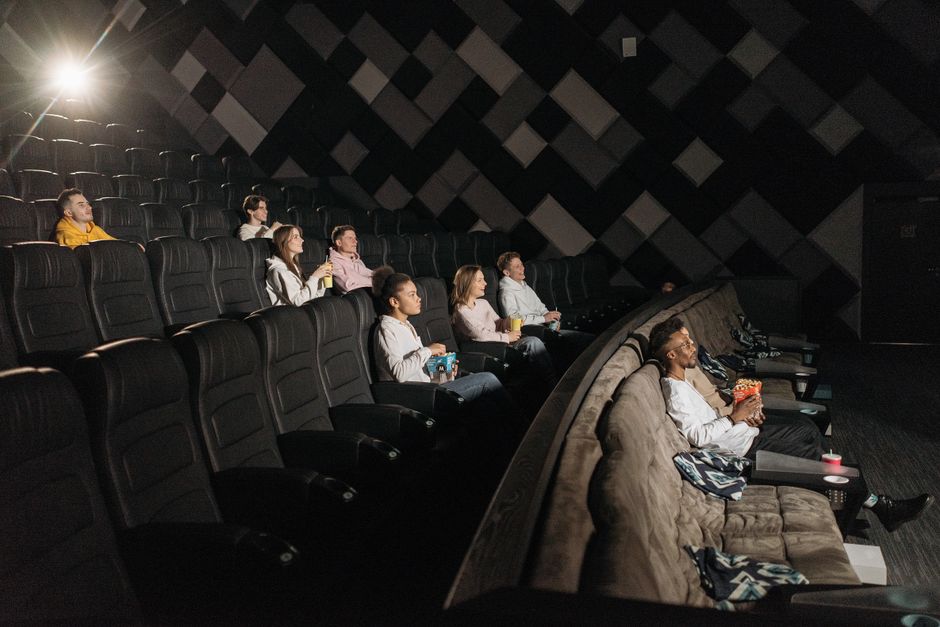
So, before you go, do me a favor. Next time you have a free evening, don't just put these on in the background. Clear your schedule. Turn off the notifications. Give them the silence they deserve. You’ll be surprised at how much harder they hit when you’re actually listening.

You know what's funny? did this deep dive resonate with you? share this post and keep the conversation going!
Share on Facebook | Share on X (Twitter)
Related Articles from the Vault:
- The Sound of Silence: Why Modern Sci-Fi Needs More Ambient Space Why We Shouldn't Rush Our Watchlists: The Case for Slow-Burn Cinema Cinematography vs. Spectacle: A Look at Modern World-Building