For decades, the “body-care routine” was a concept reserved for aesthetic refinement. It was about exfoliation for radiance, body butter for hydration, and perhaps a spritz of perfume to cap off the morning ritual. But in the last few years, we have witnessed a seismic shift in how we approach our evening self-care. The focus has migrated from the mirror to the mattress. As we collectively re-evaluate the impact of stress and sleep quality on our overall vitality, the bathroom cabinet has evolved into a recovery sanctuary.
From magnesium-infused lotions to aromatherapy pulse-point oils, the market for sleep-support products is booming. But as these items migrate from the shelves of boutique spas into our nightly bedtime routine, the question remains: are they actually worth the investment, or are we simply falling for clever marketing?
The Evolution of Body Care: From Vanity to Wellbeing
The modern consumer is no longer satisfied with products that merely provide surface-level benefits. Today’s wellness-focused shopper is looking for products that actively contribute to their physiological health. This pivot is largely driven by a growing awareness that our skin—our body’s largest organ—is deeply responsive to internal states like cortisol levels and sleep deprivation.
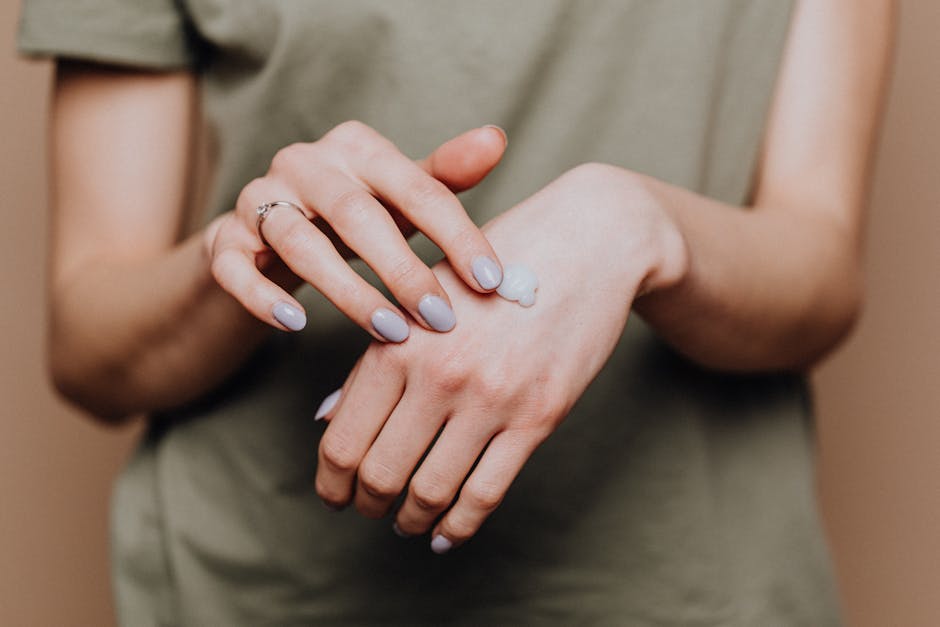
When you are underslept, your skin’s barrier function weakens, inflammation increases, and your skin loses its ability to repair itself effectively. Recognizing this, the beauty industry has rebranded. Body care is no longer just about “looking good”; it is about “feeling restored.” By integrating sleep-support products into our routine, we are essentially extending our skincare philosophy into the hours of rest, treating the body as a holistic system rather than a series of parts to be polished.
The TikTok Factor and the Need for Evidence
If you have scrolled through TikTok, Instagram, or YouTube in the last year, you have likely encountered the "sleepy girl mocktail" trend or the viral sensation of magnesium sprays. Social media has democratized wellness, putting potent self-care hacks into the hands of millions. However, the speed at which these trends travel often outpaces the clinical data behind them.
As a wellness editor, I always urge my readers to maintain a healthy level of skepticism. While social media is a fantastic tool for discovery, it is not a doctor. When evaluating wellness trends, it is essential to ground your choices in evidence-based research. In the UK, the gold standard for clinical health guidance is the NICE (National Institute for Health and Care Excellence). While NICE sadshayri.net guidelines are typically focused on clinical treatment pathways for insomnia and sleep disorders, they provide an invaluable framework for understanding what constitutes "gold-standard" sleep hygiene versus what constitutes supplementary lifestyle support.
Balancing Trend with Truth
It is important to distinguish between a product that promotes a *relaxing ritual* and a product that *treats a medical condition*. If you are experiencing chronic sleep disruption, the best course of action is always to consult with a professional. Resources like Releaf—the UK’s largest medical cannabis clinic—serve as a reminder that when sleep issues become a clinical health concern, they require specialized oversight. Relying on an over-the-counter bath salt when you need clinical support is like trying to fix a broken limb with a bandage; it’s a temporary buffer, not a cure.
Categorizing Sleep-Support Products
Not all sleep-support products are created equal. To help you navigate the landscape, we have broken down the common categories found in today's bedtime routines.
Product Category Primary Mechanism Best For Aromatherapy Sprays/Oils Olfactory nervous system stimulation Creating a sensory sleep cue Magnesium Topicals Potential muscle relaxation Physical tension/restless legs Melatonin-infused Creams Topical absorption Jet lag or shifted circadian rhythm Weighted Wraps/Tools Deep pressure stimulation Anxiety-driven insomniaIngredient Transparency: How to Read the Label
One of the most vital shifts in the wellness industry is the move toward "label literacy." As consumers, we are finally asking the hard questions about what we are rubbing into our skin. When you are scouting for sleep-support products, transparency is your best filter.

- Check for concentrations: Does the product list the active ingredients, or is "lavender oil" listed at the very bottom of a long list of fillers? Avoid "Wellness Washing": Brands often use calming buzzwords (like "Zen" or "Relax") without including a single scientifically proven ingredient. Look for specifics like L-theanine, high-quality Magnesium Chloride, or organic essential oils. Sustainability and Sourcing: High-quality sleep products often prioritize purity. If a brand cannot tell you where their ingredients are sourced, they likely aren't prioritizing the efficacy of the product.
Personalization: The Secret to a Successful Routine
One size never fits all. Your bedtime routine should be as unique as your circadian rhythm. While one person might find that a warm shower followed by a lavender-scented body oil triggers an immediate "sleep mode" response, another might find that the stimulation of the shower wakes them up further.
To personalize your routine, start by tracking your sleep quality using a simple journal. Introduce one product at a time. If you start a magnesium lotion, a heavy weighted blanket, and a new pillow spray all at once, you will never know which one is actually helping you—or if they are all just adding unnecessary clutter to your nightstand.
When to Seek Professional Help
While we love a good self-care routine, it is vital to remember that sleep-support products are designed to support your wellbeing, not to replace medical intervention. If you are struggling with persistent sleep issues, you owe it to yourself to look beyond the social media trends.
Educational resources on clinic websites, such as those provided by Releaf, offer a wealth of information on how medical cannabis and other evidence-based interventions can assist with chronic conditions that standard body-care products cannot touch. If your stress levels are impacting your ability to function, don't rely on a candle to fix it—reach out to a professional who can look at the data, not just the marketing.
Final Thoughts: Are They Worth It?
Are sleep-support products worth adding to your body-care routine? The answer is a qualified yes.
They are worth it if:
They act as a psychological "trigger" to help your brain switch from "doing mode" to "resting mode." They are used as part of a holistic approach that includes consistent sleep hygiene (following NICE-aligned advice like cool, dark rooms and scheduled wake-up times). They are high-quality, transparently labeled products that you have vetted for your own needs.They are not worth it if you are expecting them to override the effects of high stress, a chaotic schedule, or an untreated medical condition. Ultimately, the best sleep-support tool in your arsenal is the consistency of your routine. By treating your bedtime as a sacred space for restoration rather than an afterthought, you validate the importance of sleep as the foundation of your long-term health. Keep your labels clean, your expectations realistic, and your focus firmly on the quality of your rest.